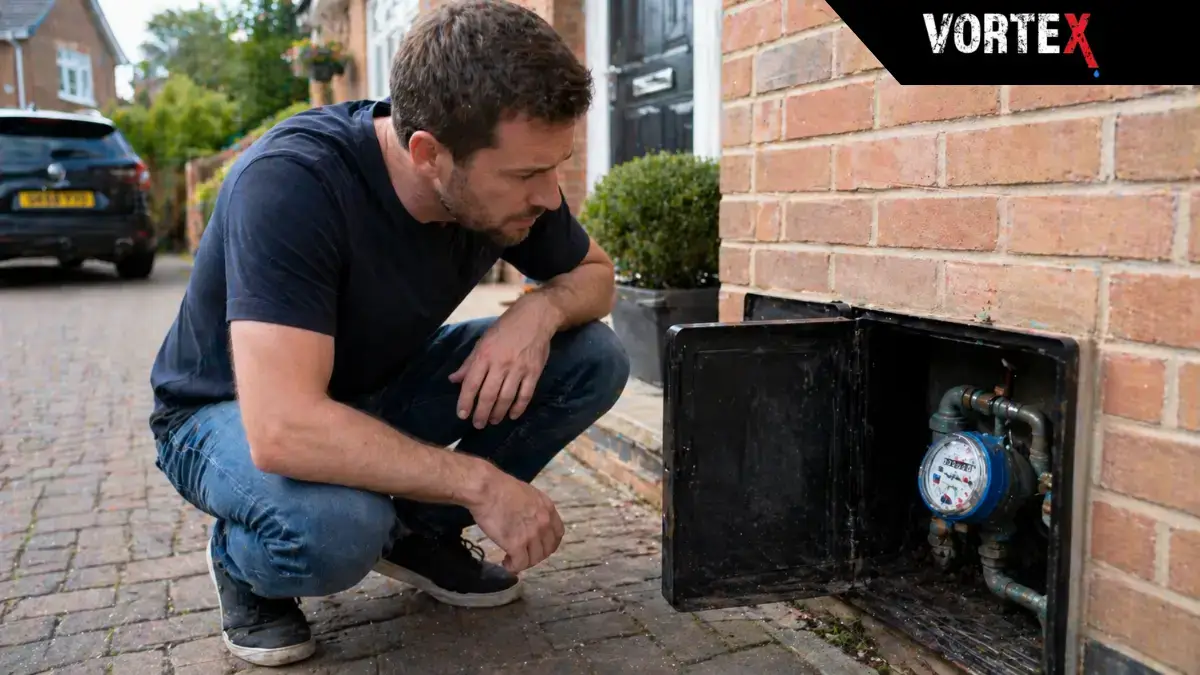

Boiler pressure that keeps dropping is one of the more common and frustrating problems a homeowner runs into, particularly when there is no obvious water on the floor, no dripping pipework, and no clear sign of where the pressure is going. The natural assumption is that a leak would show itself. In most cases, that assumption is wrong.
Recurring pressure loss in a sealed heating system has several possible explanations. A hidden leak somewhere in the circuit is one of the most frequently overlooked causes. Others include a failing expansion vessel, a weeping pressure relief valve, or air introduced into the system during radiator bleeding. Some of these causes are straightforward to identify and address. Others require proper specialist investigation before the source can be confirmed.
Understanding which applies to your situation is the first step toward fixing it properly and avoiding the secondary damage that a slow, undetected leak can cause over time.
Quick answer: Boiler pressure drops repeatedly because of one of four main causes: a failing expansion vessel, a weeping pressure relief valve, air loss from bleeding radiators, or a hidden leak in the heating circuit. If you cannot identify one of the first three as the cause, a hidden leak is the most probable explanation and warrants specialist investigation rather than repeated repressuising
What Does Boiler Pressure Actually Mean?
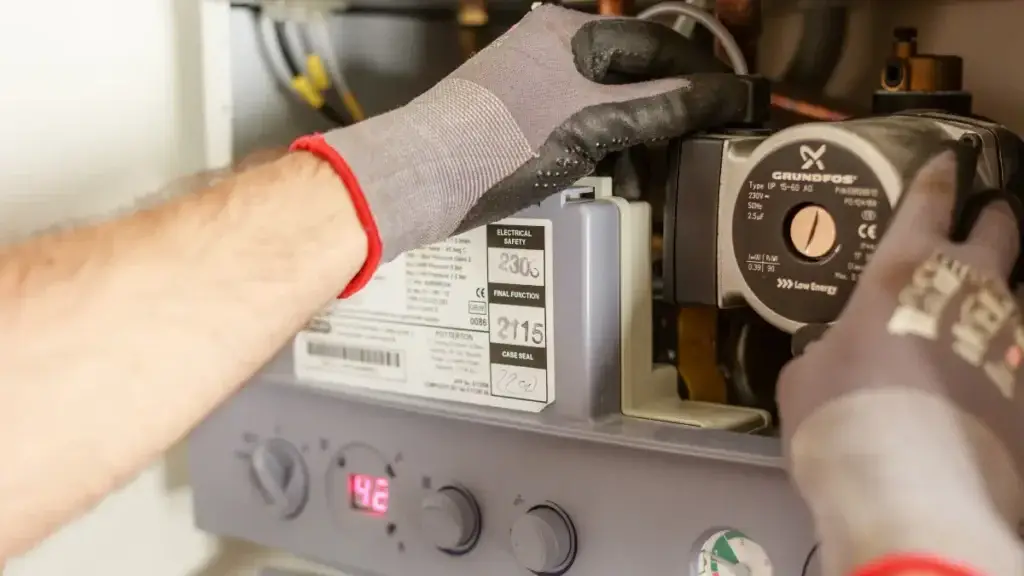
Modern combi boilers and sealed central heating systems operate as closed circuits. Unlike older open-vented systems, which used a header tank in the loft to replenish water by gravity, sealed systems are pressurised. The water inside the circuit is held at a specific pressure, and the boiler relies on that pressure remaining stable to operate correctly.
The pressure gauge on your boiler, typically a circular dial or a digital readout depending on the model, tells you how much pressure the sealed system is currently holding. When everything is working correctly, that reading stays within a defined range. When it falls outside that range, the boiler will either underperform or lock out entirely as a built-in safety response.
Two things maintain system pressure: the volume of water inside the circuit and the pre-charge of the expansion vessel, a sealed chamber that absorbs the pressure fluctuations that occur as water heats up and cools down. When either of those is compromised, the system becomes pressure-unstable.
What Is the Normal Pressure Range for a Heating System?
For most domestic sealed heating systems, the correct pressure at rest, meaning when the boiler is cold and not actively running, is between 1 and 1.5 bar. Some manufacturers specify up to 2 bar as acceptable at rest. When the system is running and the water has heated up, pressure will typically rise to between 1.5 and 2.5 bar. This rise is normal and expected as water expands with heat.
Problems begin when pressure drops below 0.5 bar at rest. At that level, many boilers will lock out or display a fault code. Some will simply underperform, producing less heat than expected, with no obvious error displayed.
A single pressure drop that you correct once and that then remains stable is generally not a significant concern. It is the pattern that matters. A system that needs repressuising every week, every two to three weeks, or that drops as quickly as it is topped up, is telling you something is wrong and that the source of the loss needs to be identified.
Why Sealed Heating Systems Should Hold Their Pressure
A sealed heating system, when correctly filled, pressurised, and maintained, should hold its pressure indefinitely between services. Unlike a vehicle tyre, which is subject to constant stress and some very slow natural diffusion, a heating circuit under normal conditions has no mechanism for routine pressure loss. The water does not go anywhere unless it is deliberately removed, such as when bleeding radiators, or unless it is escaping from somewhere it should not be.
Some slow, long-term reduction in pressure across many months is occasionally observed in older systems and is not always a serious concern on its own. But a system that loses measurable pressure within a week or two of being repressuised is not behaving normally. It is losing water somewhere, releasing it as gas somewhere, or failing to maintain pressure due to a component fault.
Establishing which of these is happening is the essential first step.
The Four Most Common Causes of Recurring Pressure Loss
A Failing Expansion Vessel
The expansion vessel is a sealed chamber, typically located inside or directly adjacent to the boiler, containing a rubber diaphragm that separates a pocket of air from the system water. As the water in the heating circuit heats up, it expands. The expansion vessel accommodates that expansion by compressing the air on one side of the diaphragm. This prevents the system pressure from spiking dangerously when the boiler fires.
When the diaphragm inside the vessel deteriorates or perforates, or when the air pre-charge leaks away over time, the vessel can no longer absorb pressure changes correctly. The result is a system that swings between over-pressure when hot and under-pressure when cold.
In practice, this often plays out in a recognisable pattern. The boiler fires and the pressure rises higher than it should, triggering the pressure relief valve to release a small amount of water as a safety measure. The system then cools, and the pressure drops below normal range. The homeowner tops up the pressure, the cycle repeats, and the system seems to be constantly losing pressure without an obvious explanation.
Expansion vessels do degrade over time. In systems that are more than ten years old, expansion vessel failure is a relatively common finding during a boiler service. The pre-charge pressure can sometimes be restored by a qualified engineer. In other cases, the vessel needs replacing.
A Weeping Pressure Relief Valve
The pressure relief valve, sometimes called the PRV or safety valve, is a safety device that opens and releases water if the system pressure builds too high. It protects the system from dangerously elevated pressure. However, PRVs can also begin to weep slowly when they are worn or when the valve seat becomes damaged, even at pressures that are within the normal operating range.
A weeping PRV releases a small but continuous or intermittent loss of water from the system. In some cases, you will notice a damp patch near the boiler, a stain on the discharge pipe, or a small amount of water visibly weeping from the valve outlet, which in most installations exits through an external wall. In many cases, particularly where the PRV outlet is not easily visible, the only obvious sign is a gradual and recurring drop in system pressure.
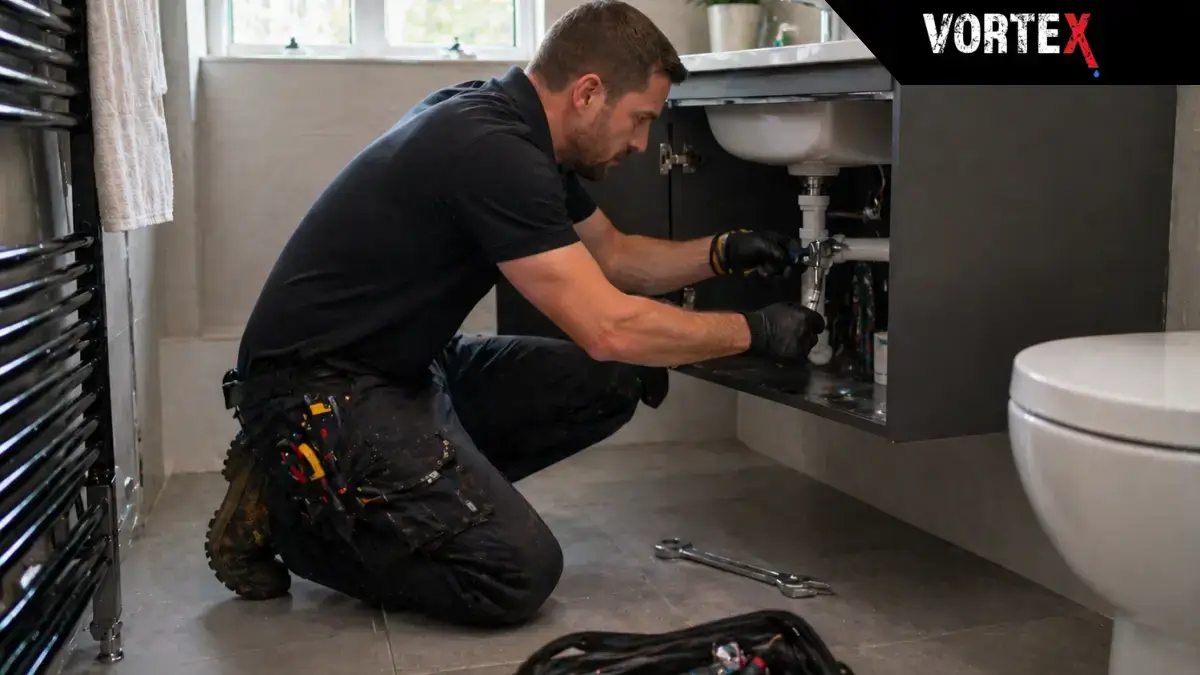
This is a component fault that a qualified heating engineer can identify and resolve. It is worth checking the PRV outlet, usually a copper or plastic pipe exiting through the external wall near the boiler, for signs of moisture or staining before concluding that a hidden leak is the cause.
Air Loss From Bleeding Radiators
Bleeding radiators is a routine and necessary maintenance task for heating systems that develop air pockets. Air trapped in a radiator prevents it from heating fully, and bleeding releases that air and allows the circuit to circulate properly. The process deliberately lets air out of the sealed system, and doing so reduces the system pressure slightly. Topping up after bleeding is a normal, expected step.
The issue arises when air keeps returning to the system. If you are bleeding radiators frequently because the same radiators repeatedly develop cold spots at the top, the air is not simply a one-off occurrence. It is re-entering the system through a fault, either a micro-leak that is drawing in air as it loses water, or a problem with the system filling arrangement that is allowing air ingress.
Frequent bleeding that consistently lowers the pressure, combined with the need to repressurise repeatedly, is itself a sign that something beyond normal system management is occurring.
Micro-Leaks in Buried or Concealed Pipework
This is the category that most homeowners do not immediately consider, because the word leak brings to mind a dripping pipe or a pool of water on the floor. Micro-leaks are different. They are small, slow losses from pinholes in pipework, failed joint compound, corroded fittings, or slightly weeping compression joints that may be located behind walls, beneath floor screeds, inside timber joist voids, or anywhere else the system passes through that is not routinely visible.
A micro-leak may lose only a relatively small volume of water per day. Across a week or two, however, that loss is sufficient to cause a measurable and noticeable drop in system pressure. The water released at the leak point does not always travel far. It may soak into concrete screed, saturate floor insulation, be absorbed by surrounding timber, or evaporate before it ever reaches a surface where it would be visible.
This is why a homeowner can have a genuine and active heating leak with no puddle, no visible drip, and no stain on any surface. The pressure gauge dropping is often the only early evidence the leak is there at all.
Could It Be a Hidden Leak in the Heating Circuit?
If you have considered and ruled out the first three causes above, a hidden leak in the heating circuit is the most probable remaining explanation. This is a conclusion that many homeowners and even some heating engineers take time to arrive at, because the absence of visible water makes it feel unlikely.
Hidden leaks in sealed heating systems behave in ways that make them genuinely difficult to locate through visual inspection alone. The pipework in a modern home may run through screeded concrete floors, within timber floor voids, inside partition walls, or behind fixed cabinetry. A small leak in any of those locations can continue for months without producing any obvious surface evidence.
The pressure drop is frequently the first signal, and in many cases it is the only signal for a significant period of time. Understanding that a drop without visible explanation is itself diagnostic, rather than simply mysterious, is important.
How Hidden Heating Leaks Behave Differently to Visible Ones
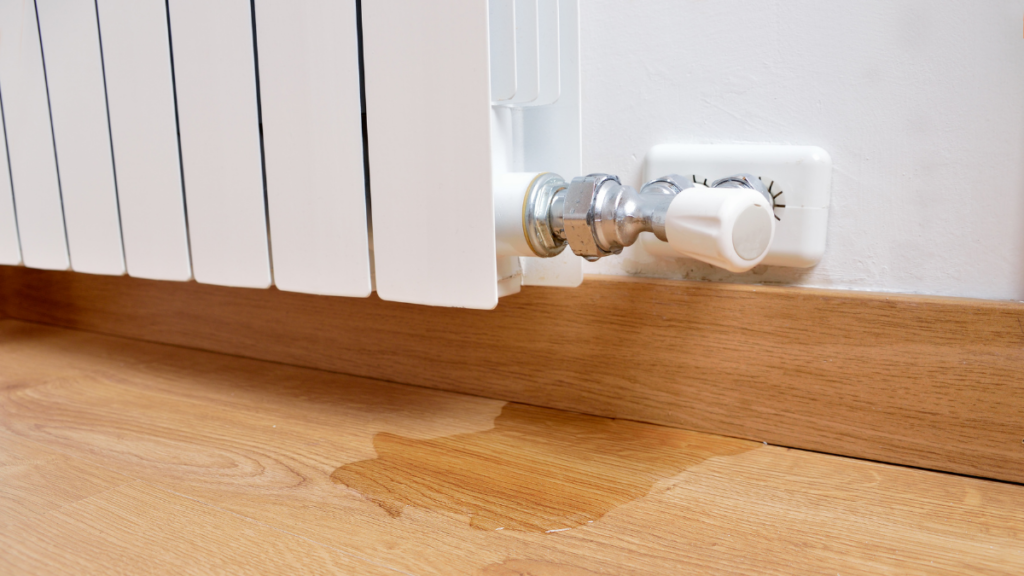
A visible leak announces itself. Water appears on a surface. A ceiling stain develops. A puddle forms under a radiator. These are relatively straightforward to locate, even if the repair involves some disruption.
Hidden leaks do not behave the same way. Water released from a slow leak in a buried or concealed pipe follows the path of least resistance through the surrounding material rather than making its way directly to a visible surface. It may travel along a screed layer, move through insulation, migrate along a timber joist, or be absorbed entirely by the building fabric before it ever produces a visible stain or damp patch.
In some situations there is no surface evidence whatsoever. The water evaporates slowly, drains internally, or is fully absorbed by the surrounding materials. The only symptom the homeowner ever notices is the heating system gradually losing pressure.
This is precisely what makes specialist detection methods genuinely useful in these situations. Trained specialists with the right equipment do not rely on surface evidence to locate a leak. They can work from the pressure loss, the system layout, and the signals produced by the leak itself to identify the source without requiring visual confirmation on a surface.
Signs That Point More Specifically Toward a Hidden Leak
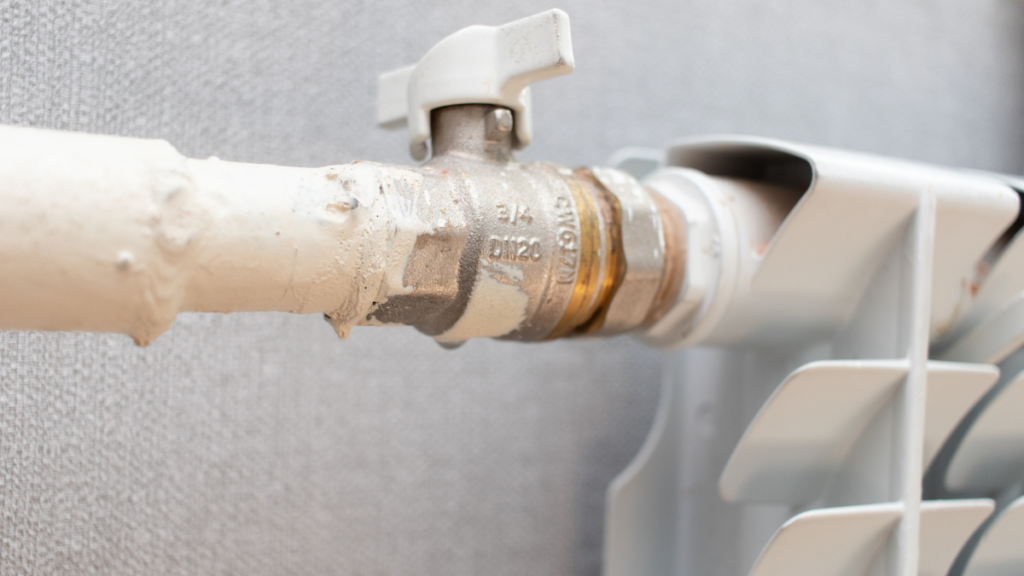
While the pressure drop itself is the main indicator, certain additional patterns make a hidden leak more likely as opposed to a component fault:
Pressure drops have been occurring repeatedly for several weeks or months with no improvement following repressuising.
A qualified heating engineer has checked and confirmed that the expansion vessel and pressure relief valve are both in sound working order.
There is no recent history of radiator bleeding that would account for the pressure reduction.
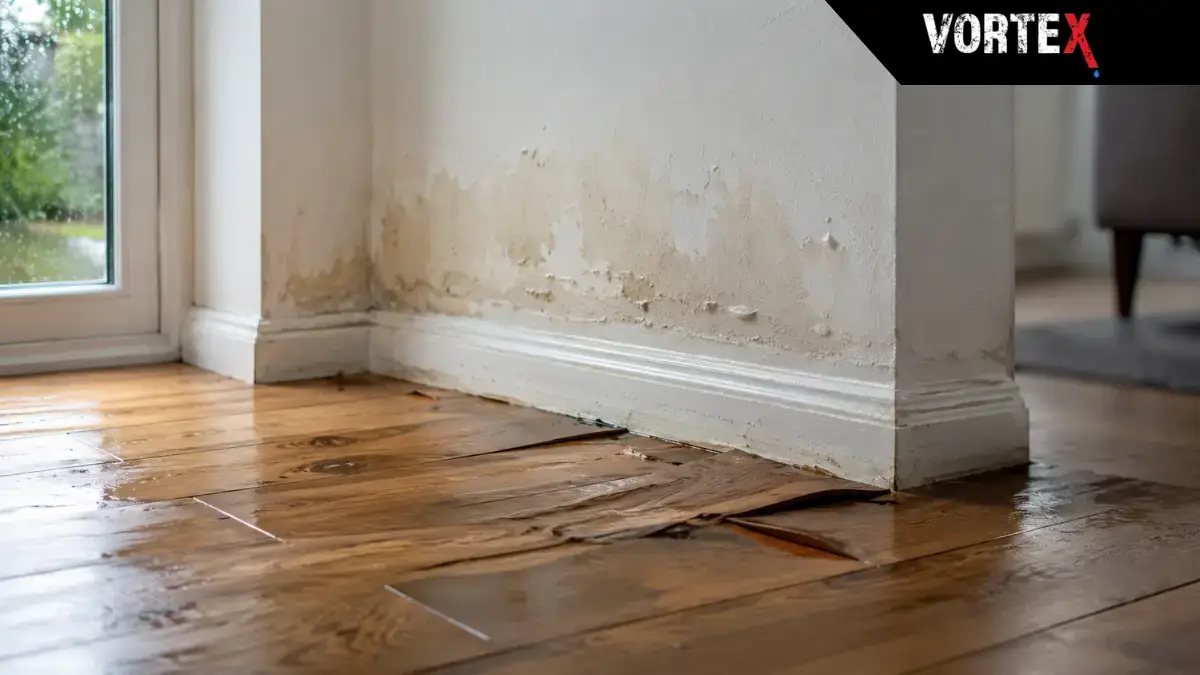
You have noticed any of the following, even if they seem unrelated: a faint soft patch in flooring, a slight cold spot in one area of a floor, an unexplained smell of damp in a room, a very gradual discolouration at the base of a wall, or the floor covering lifting slightly in a localised area.
The heating system is more than ten years old and has not had a full system flush or inhibitor treatment in some time.
The property has underfloor pipework, either as part of underfloor heating or as part of the radiator circuit running beneath a screeded floor.
None of these secondary signs is definitive on its own. But their presence alongside persistent pressure loss increases the probability that water is leaving the circuit somewhere that requires specialist investigation to find.
What Happens If You Keep Topping Up the Pressure?
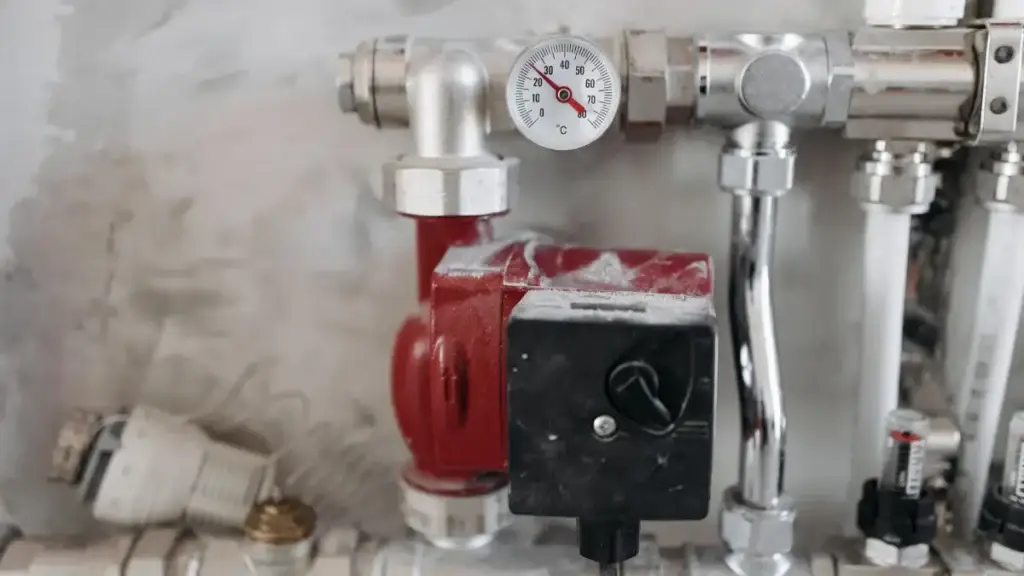
Repeatedly repressuising a boiler that has a slow hidden leak is not acutely dangerous, but it does carry real risks that are worth understanding clearly.
Each time you top up the system, you introduce fresh mains water. Mains water contains dissolved oxygen. Oxygen inside a closed heating circuit accelerates internal corrosion, particularly in older steel radiators, cast-iron components, and at vulnerable joints and fittings. Each top-up also dilutes the inhibitor chemical that protects the internal surfaces of the system. A system being repressuised regularly is gradually losing its protective chemistry while introducing new corrosion-causing water with each refill.
Over time, this process increases the rate of internal degradation throughout the circuit. A small pinhole leak that is already losing water can develop into a larger problem as the surrounding components deteriorate. The inhibitor concentration may fall below effective levels, leaving the full circuit exposed to accelerated corrosion.
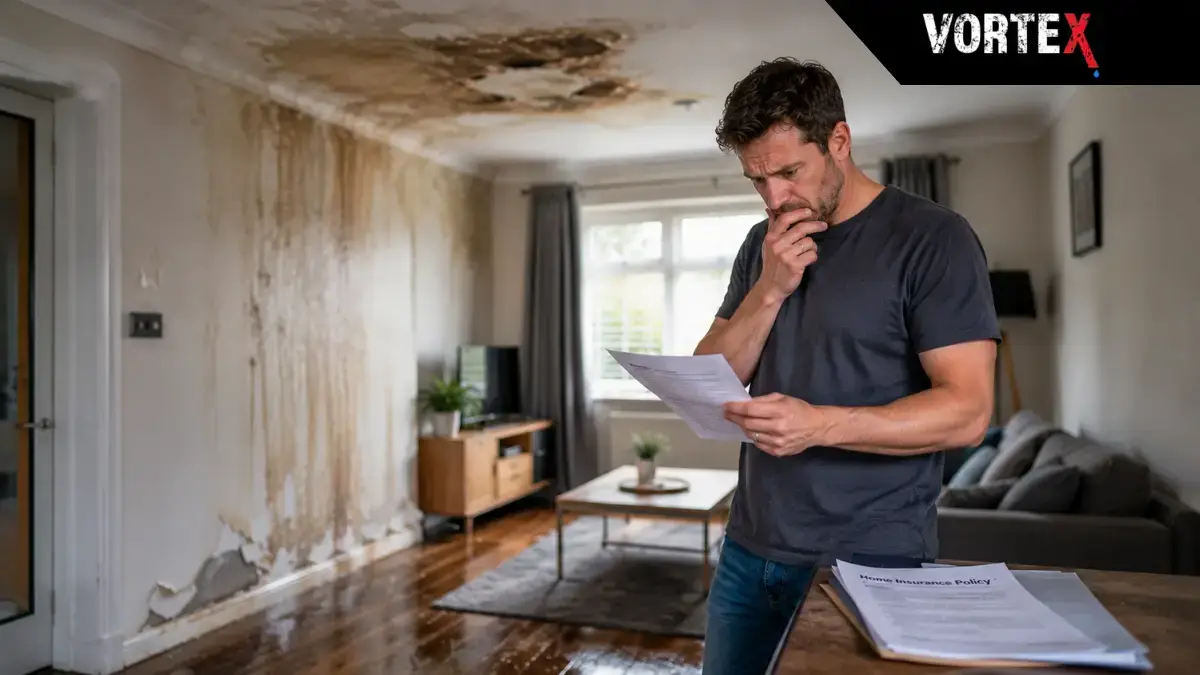
There is also the structural dimension. The water leaving the system through a hidden leak has to go somewhere. The longer the leak continues, the more saturated the surrounding materials become. Screed can degrade. Timber can swell and begin to rot. Insulation can become permanently waterlogged and lose its effectiveness. If moisture persists long enough in enclosed spaces, mould growth becomes a serious risk.
Topping up a boiler once after a service, after a system flush, or after bleeding radiators is entirely normal and expected. Topping it up every week, repeatedly through a heating season, or more than two to three times in the same month without understanding why is a pattern that deserves investigation, not continued self-management.
When Should You Stop Repressuising and Get It Investigated?
There is no single threshold that applies to every situation, but the following indicators suggest that continued repressuising is not the right response and that proper investigation is overdue:
Pressure has dropped significantly, by 0.5 bar or more, within two weeks of repressuising with no clear cause such as recent bleeding or a system flush.
A heating engineer has inspected the boiler, confirmed the expansion vessel and PRV are functioning correctly, and the pressure is still dropping.
You are repressuising more frequently now than you were three months ago, which suggests the rate of loss is increasing.
You have noticed any soft flooring, faint damp smell, unexplained cold spots on a floor or lower section of a wall, or very gradual staining in an area that cannot be accounted for by condensation or another obvious source.
The system is older, has a history of sludge or poor water quality, or has not been serviced or chemically treated in several years.
When these conditions apply, the appropriate step is a professional leak detection investigation rather than a further repressuise. The sooner a hidden leak is identified, the less secondary damage it causes and the simpler the remediation tends to be.
How Specialists Locate Pressure Loss With No Visible Evidence
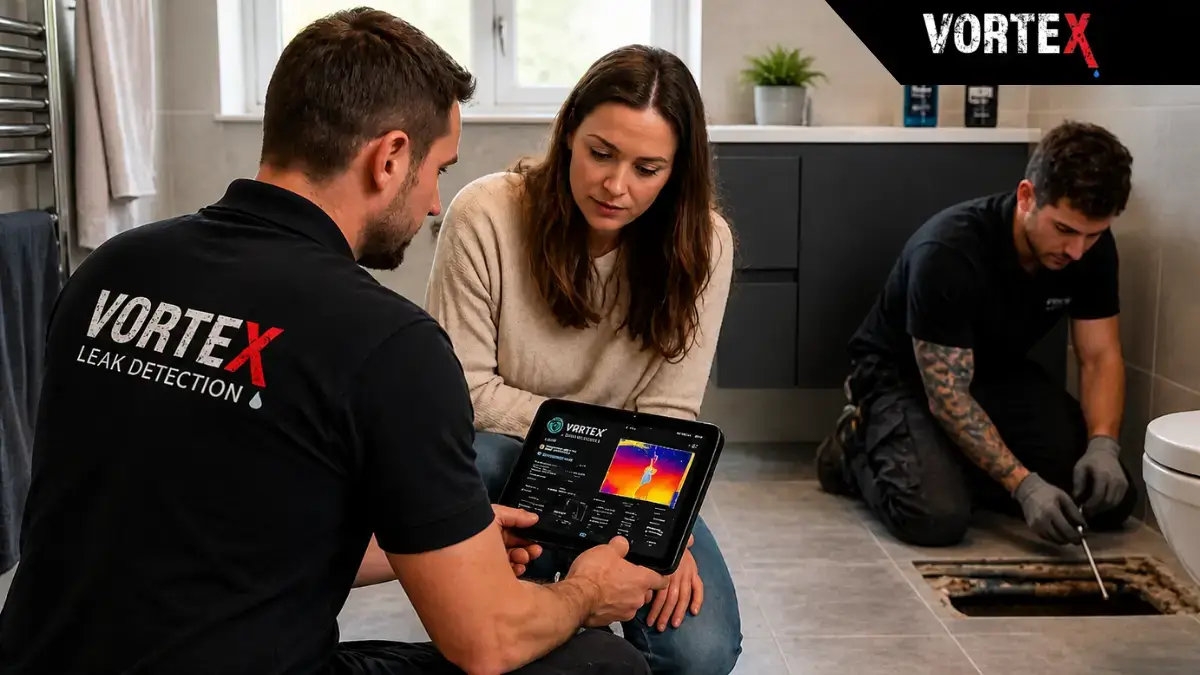
When visual inspection has ruled out component faults and a hidden leak remains the likely cause, specialist detection methods allow the source to be found without needing to see water on a surface and without requiring exploratory damage to floors or walls.
Thermal Imaging
Because the water in a heating circuit is warm, a slow leak leaves a thermal signature in the surrounding material. A sensitive infrared camera in the hands of a trained specialist can read that signature through floor coverings, wall surfaces, and other materials that would appear completely normal to the naked eye. Thermal imaging is particularly effective in underfloor and slab scenarios where the visual surface gives no indication of what is happening beneath.
Acoustic Detection
Specialist listening equipment can detect the sound of water escaping from a pressurised pipe through the surrounding structure. Even a small and slow leak in a buried pipe produces a detectable acoustic signal under the right conditions. Acoustic methods allow specialists to listen along a pipe route and identify the sections where loss is occurring, narrowing the search area significantly before any physical work is considered.
Tracer Gas
In situations where other methods have identified a suspect area but the exact point of loss requires confirmation, tracer gas is introduced into the system. A safe, inert gas mixture escapes at the leak point and rises to the surface, where it is detected using a sensitive probe. This method is particularly useful for confirming the precise location of a leak in a sealed or buried system before any repair or access work begins.
The combination of these methods means that a specialist investigation does not automatically lead to broken floors or damaged walls. The goal of modern non-invasive leak detection is to locate the source precisely before any physical access is considered, reducing unnecessary disruption to the property. You can read more about the specific methods and equipment used on the Vortex Leak Detection technology page.
What to Do Next
If your boiler pressure is dropping repeatedly and you have been unable to identify a clear component fault as the explanation, the right step is to arrange a proper investigation rather than continue managing the problem through repressuising.
The earlier a hidden leak is identified, the less damage it causes to the property and the lower the cost of the remediation that follows. A system that has been losing water slowly for three months is in a considerably better position than one where the same leak has continued undetected for a year or more. The difference in structural impact, inhibitor depletion, and internal corrosion can be significant.
If you are concerned about recurring pressure loss, the Vortex Leak Detection specialist team can carry out a full investigation using non-invasive detection equipment. Get in touch to discuss your situation or to arrange an assessment. If you would like to understand more about what to expect from the process, read about why customers choose Vortex before you decide.