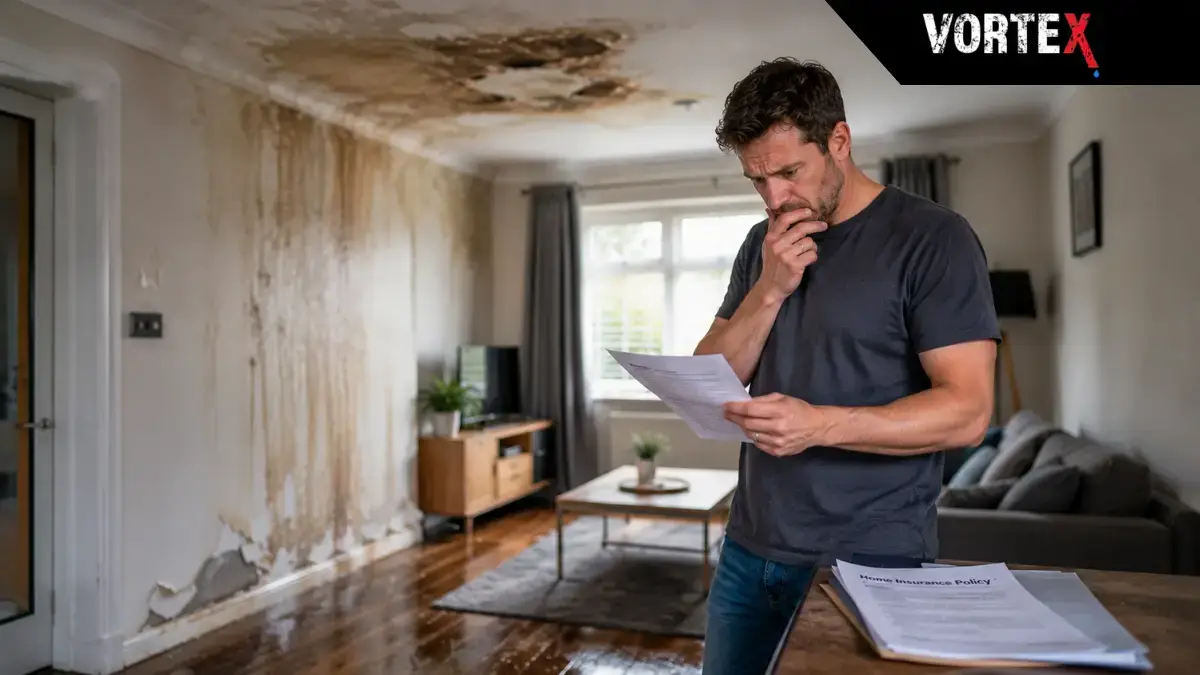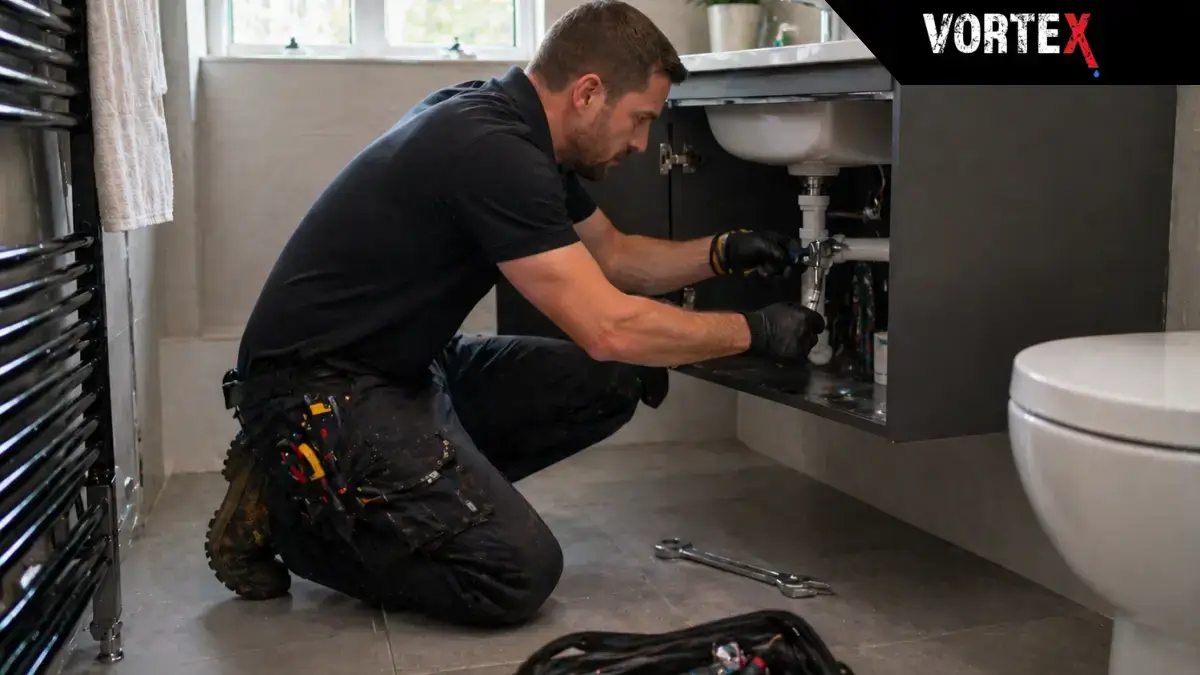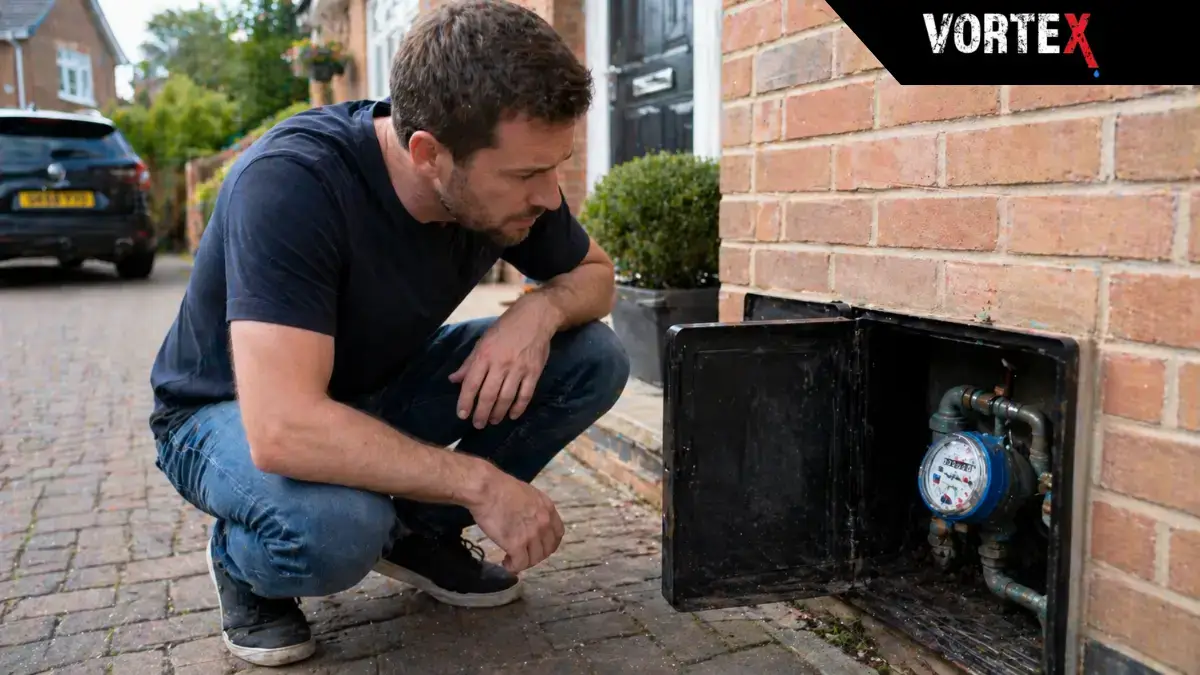

A hidden heating leak does not usually begin with a dramatic sign. There is no burst pipe, no sudden flood, and no obvious moment where the problem announces itself. In most cases, the earliest indicators are subtle, easy to rationalise away, and simple to miss unless you know what to look for. That is precisely what makes them dangerous.
The longer a hidden leak goes undetected, the more damage it causes to the surrounding structure, the heating system itself, and in some cases the fabric of the property. Recognising the early signs, and understanding what they actually mean, is the difference between a straightforward specialist investigation and a considerably more involved remediation.
This article covers the earliest signs of a hidden heating leak, explains why each one matters, clarifies why they are so frequently misread, and helps you understand when the right response is to stop waiting and arrange a proper investigation.
Quick answer: The earliest signs of a hidden heating leak include recurring boiler pressure loss without a visible cause, radiators that take longer to heat up than usual, unexplained cold patches on floors or lower sections of walls, a faint and intermittent smell of damp, soft or slightly spongy patches in flooring, higher-than-expected heating bills, and air that keeps returning to the same radiators. None of these signs is definitive on its own, but two or more appearing together, particularly alongside unexplained pressure loss, is a strong indicator that a specialist investigation is warranted.
Why Hidden Heating Leaks Are So Easy to Miss in the Early Stages
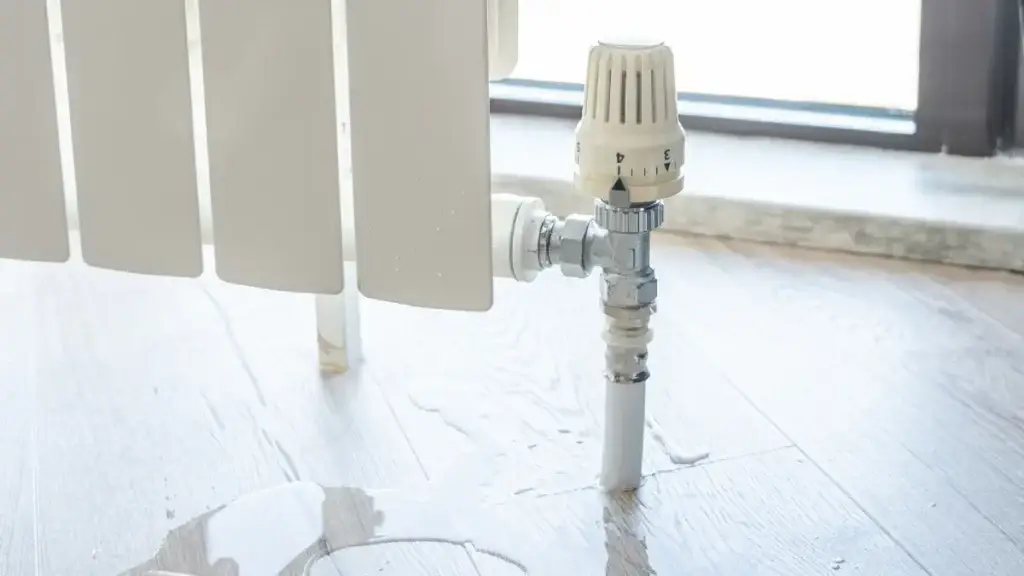
Sealed heating systems are designed to circulate water through a closed circuit of pipework, radiators, and the boiler itself. That pipework passes through areas of the home that are rarely, if ever, directly inspected: beneath floor screeds, inside timber joist voids, within partition walls, and behind fixed cabinetry. A leak in any of those locations can release water into the surrounding material without producing any surface evidence for weeks or months.
The water that escapes from a slow heating leak does not pool visibly. It is absorbed by concrete, screed, insulation, timber, or plasterboard before it reaches a surface where it would be noticed. In some cases it evaporates before causing any surface change at all. The heating circuit continues to operate, just at a slightly reduced pressure that gradually worsens over time.
This combination of concealment and gradualism is why hidden heating leaks are genuinely difficult to catch early. The signs that do appear tend to be indirect, partial, and easy to attribute to other causes. Understanding the pattern they form together is more useful than looking for any single unmistakable sign.
The Earliest Signs That Something May Be Wrong
Recurring Boiler Pressure Loss
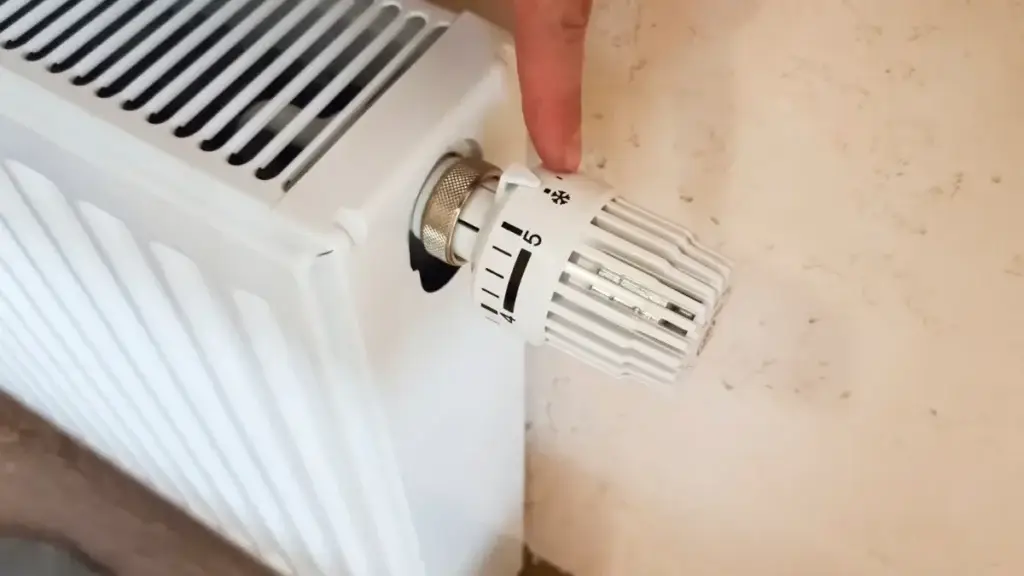
This is the most consistently reliable early indicator of a hidden heating leak and the one that most homeowners eventually notice, even if they do not immediately connect it to a leak. A sealed heating system is designed to hold its pressure indefinitely between services. When pressure drops noticeably within a week or two of repressuising, without any obvious cause such as recent radiator bleeding or a system flush, water is leaving the circuit somewhere.
If the expansion vessel and pressure relief valve have been checked and confirmed as functioning correctly, and pressure continues to drop, a hidden leak is the most probable remaining explanation. Recurring pressure loss that cannot be explained by a component fault should be treated as a leak indicator until proven otherwise.
For a detailed breakdown of the causes of boiler pressure loss and when each is likely, the article on why boiler pressure keeps dropping without a visible leak covers this in full.
Radiators That Take Longer to Heat Up
A heating system that has developed a slow leak may begin to show changes in efficiency before any other sign appears. Radiators that previously came up to temperature within ten to fifteen minutes of the boiler firing may begin to take noticeably longer. Some may not reach the same level of heat they previously achieved. In a few cases, certain radiators in the circuit may stay partly or fully cold.
These changes happen because a system losing water gradually loses its ability to circulate the correct volume of heated water around the full circuit. The boiler may be working normally, but the pressure and volume conditions in the pipework are slightly off. The result is a circuit that feels less efficient and takes longer to deliver heat to every part of the property.
This is not the only cause of slow or uneven heating. Sludge accumulation, a failing pump, or air in the system can produce similar effects. But when slow radiator performance appears alongside recurring pressure loss, the combination points strongly toward a leak.
Unexplained Cold Spots on Floors or Lower Walls
A floor that feels noticeably cooler in one localised area, particularly where no cold draught is present and the surrounding floor is at a normal temperature, deserves attention. The same applies to a section of wall, especially at lower levels, that consistently feels cooler or slightly different in texture to the rest.
Cold spots in flooring above or adjacent to concealed heating pipework occur because the water in a leaking pipe is displacing the thermal behaviour of the surrounding material. Saturated screed or wet insulation beneath a floor surface conducts heat differently to dry material, often feeling cooler underfoot even when the heating is running.
Cold patches on lower wall sections can indicate that moisture has been migrating from below, cooling the wall fabric through evaporation. These patches are easy to misread as draughts, cold bridging, or simply the character of an older building. If they appear in a location that has not been cold before, and particularly if they develop slowly over weeks rather than being a long-standing feature, they are worth investigating.
A Faint or Intermittent Smell of Damp
A hidden heating leak that saturates the surrounding building materials produces moisture conditions that generate a detectable smell over time. This smell is often described as musty, earthy, or faintly stale. It is not always strong. In many cases it is subtle enough that homeowners notice it only in the morning when the house has been closed overnight, or after the heating has been running for some time, or when re-entering a room after being away.
The smell may come and go rather than being constant. It may be more noticeable in cold or damp weather, when ventilation is reduced and the moisture content of the building materials is already elevated. It is frequently attributed to other causes: an old carpet, a slightly damp cupboard, or general stuffiness.
A persistent damp smell in a room where no obvious source of moisture is present, and where there is no evidence of condensation on surfaces, is a soft indicator worth taking seriously alongside other signs.
Soft or Slightly Spongy Patches in Flooring
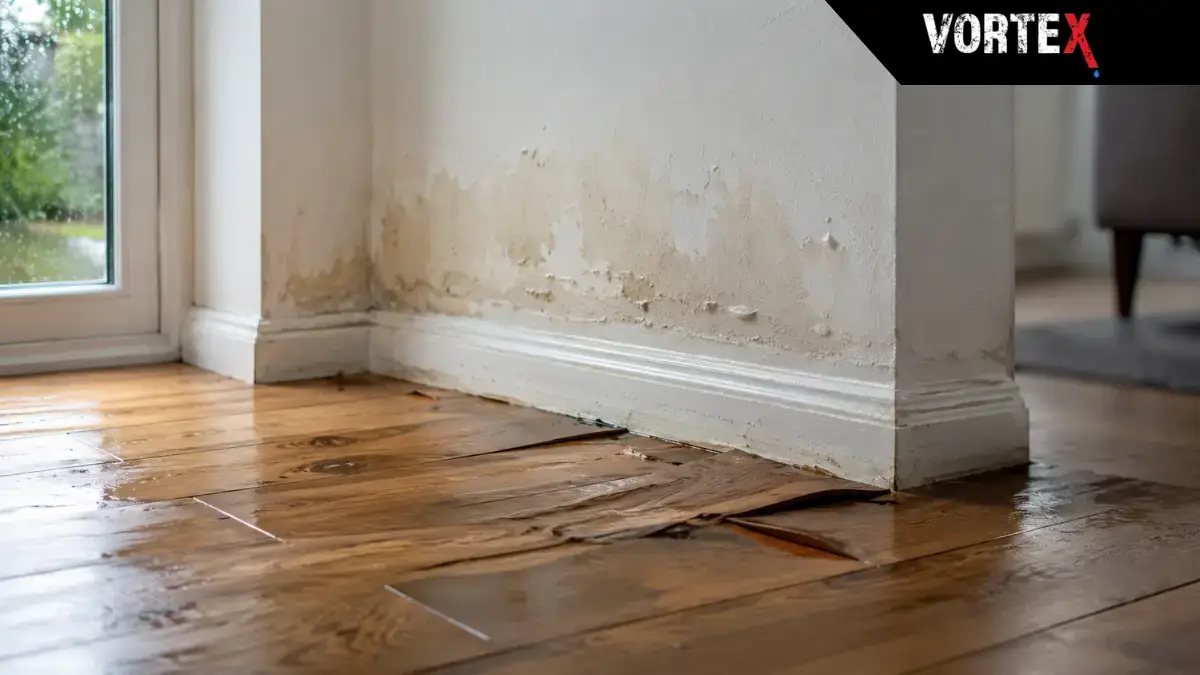
Floor coverings such as laminate, engineered timber, or vinyl that sit above a slow heating leak may begin to change in texture. A patch that feels slightly soft or springy underfoot, where the same floor elsewhere feels firm, suggests that the subfloor or screed beneath has absorbed moisture. As the material beneath becomes saturated, its structural integrity changes, and the effect is detectable through the floor surface above.
In some cases the floor covering itself begins to show signs: slight lifting at joints, gentle bubbling in vinyl, or a section of laminate that no longer sits completely flat. These can progress slowly and may initially seem like minor imperfections or settling. They are worth noting and monitoring, particularly if they appear near the route of the heating circuit.
Soft flooring patches are one of the more actionable early signs because they tend to have a fairly limited number of causes. Condensation does not typically produce localised spongy patches in the middle of a floor. A plumbing or heating leak beneath the floor surface is one of the most probable explanations.
Higher-Than-Expected Heating Bills
A heating system that is losing water slowly and struggling to maintain the correct circuit conditions may need to work harder than normal to heat the property to the same temperature. The boiler runs for longer, the pump works against slightly compromised pressure conditions, and the overall efficiency of the system drops.
This inefficiency is not usually dramatic in the early stages of a hidden leak. The change in bills may be gradual enough that it is initially attributed to rising energy costs, colder weather, or changes in usage. It only becomes recognisable as a pattern when the bills remain elevated even when the weather and usage patterns would suggest otherwise.
On its own, higher heating bills are too easily explained by external factors to be useful as a standalone indicator. Alongside other signs, particularly recurring pressure loss and slower radiator performance, they add weight to the picture.
Frequent Air in the Radiators
Air that returns to the same radiators consistently, requiring regular bleeding throughout the heating season, is not simply a maintenance nuisance. It is a signal that air is entering the system. In a correctly sealed and pressurised circuit, air has no route in unless water is finding a route out.
When water escapes from the circuit through a slow leak, it creates a slight negative pressure effect that can draw air in at vulnerable points, particularly at older or slightly degraded joints and fittings. The result is a system that repeatedly develops air pockets in the same locations.
If you are bleeding the same radiators regularly and the problem keeps returning, the air itself is a symptom rather than the underlying problem. The question to ask is why air is entering a closed circuit.
Why These Signs Are So Often Misread
Each of the signs described above has at least one plausible alternative explanation. Pressure drops could be a failing expansion vessel. Cold floors could be a draught or poor insulation. Damp smells could be surface condensation or an ageing carpet. Slow radiators could be sludge. Soft flooring could be poor installation.
This is why hidden heating leaks are so frequently delayed in diagnosis. Every individual sign can be rationalised away. The pattern they form together is what matters. When two or more of these signs appear at the same time, particularly when recurring pressure loss is among them, the threshold for seeking a specialist assessment drops significantly.
Experienced leak detection specialists are trained to read these patterns. They are not looking for a single definitive sign. They are assessing a picture, combining what they observe with what the system data tells them, and using detection equipment to confirm or rule out a hidden leak systematically.
How a Hidden Heating Leak Behaves Over Time
In the very early stages, a hidden heating leak may produce only one detectable sign: the pressure drop. The structural impact is minimal. The surrounding materials are slightly damp but not significantly degraded. The heating system is still functioning, just requiring occasional repressuising.
Over weeks and months, the picture changes. The surrounding material absorbs more moisture. Screed softens slightly. Timber begins to swell and can begin to degrade if conditions remain wet. Insulation becomes permanently waterlogged and loses its thermal properties. The area of saturated material expands outward from the leak point.
If the leak continues undetected into months or longer, secondary effects begin to appear. Flooring lifts or stains. Mould establishes itself in the damp material. Skirting boards or timber elements in contact with the affected area begin to show deterioration. What was initially a minor structural impact becomes a more involved remediation.
This progression is the primary reason why catching a hidden heating leak in its early stages, when the signs are still subtle, is so much more valuable than waiting for the problem to become obvious.
Signs That the Problem Has Been Present Longer Than You Think
Certain signs indicate that a hidden heating leak has been ongoing for a longer period than the homeowner may realise, and that more structural assessment may be needed alongside the leak detection itself.
Visible Staining or Tide Marks on Walls
A tide mark, the faint horizontal line that forms at the upper limit of where moisture has reached and dried, is a clear indication that sustained moisture has been present. Tide marks low on a wall, near the floor level, with no obvious surface water source, suggest that moisture has been rising from below over a prolonged period.
Mould Appearing in Unusual Locations
Mould that appears at low level on walls, on skirting boards, or on the underside of flooring material in a room where surface condensation does not naturally occur is a sign that sustained hidden moisture has been present. Mould in these locations, rather than at higher levels where condensation would typically settle, points toward a floor-level or sub-floor moisture source.
Floor Covering Beginning to Lift or Bubble
Flooring that has clearly lifted, buckled, or developed prominent bubbling in a defined area, rather than at edges or joints where installation issues are more common, has typically been subjected to sustained moisture from beneath. This level of visible floor damage usually indicates a leak that has been running for some time.
If any of these more advanced signs are present, the investigation and the subsequent assessment of structural impact are both worth factoring into the response plan.
The Difference Between a Symptom and a Cause
It is worth drawing a clear distinction here. Everything described in this article is a symptom of a hidden heating leak, not a cause of the problem. The damp smell, the cold floor patch, the soft flooring, the slow radiators: these are the effects of water escaping from the heating circuit and entering the surrounding building material.
The cause is the leak point itself, which may be a pinhole in a buried copper pipe, a deteriorated joint, a corroded fitting, or a slightly weeping connection somewhere in the circuit that is not accessible for visual inspection.
Treating the symptoms without identifying and resolving the cause provides only temporary relief. A dehumidifier may reduce the damp smell. Repressuising may restore the boiler. Drying out the affected area may reduce surface mould. But the leak continues, the moisture accumulates again, and the damage resumes.
The only effective response to a hidden heating leak is to find and fix the leak itself.
Which Signs Should Make You Act Immediately
Some combinations of signs suggest that a hidden leak has been present for long enough that immediate investigation is important rather than something to schedule loosely.
Act promptly if:
You have been repressuising the boiler more than once a month and cannot explain the pressure loss through component faults or radiator bleeding.
Soft or spongy patches in the flooring have appeared or worsened in recent weeks.
Mould has appeared in unusual low-level locations in a room where condensation is not normally an issue.
You have noticed both a damp smell and a cold patch in the same area of the property.
Floor covering is visibly lifting or bubbling in a localised area.
Any of these signs appears in a property with underfloor pipework, whether from underfloor heating or from radiator circuit pipework running beneath a screeded floor.
Which Signs Allow a Little More Time
Some signs are worth monitoring and investigating through normal scheduling rather than treating as urgent, provided they are not combining with the more serious indicators above.
Slightly slower radiator heating that has developed gradually over a full heating season, without any pressure loss or other signs, may reflect sludge or a pump issue rather than a hidden leak.
A faint damp smell that appears only occasionally and has not worsened, with no associated pressure loss or floor changes, is worth noting and monitoring but may not require an immediate specialist callout.
Higher heating bills alone, without pressure loss or structural signs, have too many alternative explanations to treat as a standalone trigger.
In all of these cases, keeping a note of when signs were first noticed and whether they are getting worse over time is useful information for a specialist when the investigation does happen.
What a Specialist Investigation Involves
When the signs are sufficient to warrant investigation, a specialist leak detection survey uses equipment that does not rely on visible water to find the source.
Thermal imaging is often the starting point for heating system investigations. Because the heating circuit carries warm water, a leak leaves a detectable thermal signature in the surrounding material. An infrared camera can identify areas of thermal irregularity in floors and walls that are entirely invisible to the naked eye. This allows the specialist to build a picture of where water has reached and to focus the investigation on the most likely zone.
Acoustic detection adds another layer. Sensitive listening equipment can detect the sound of water escaping from a pressurised pipe through the building structure. This is particularly useful for narrowing down the location of a leak within a specific section of pipework rather than just identifying the affected zone.
Tracer gas is used to pinpoint the exact leak location once the investigation has narrowed the search area. A safe, inert gas is introduced into the heating circuit and detected at surface level using a probe, confirming the precise position of the leak before any physical access work is considered.
The goal throughout is to locate the leak source with confidence before any floor or wall is disturbed. Modern specialist investigation is designed to be as non-invasive as possible. You can read more about the specific detection equipment and methods used on the Vortex Leak Detection technology page.
What to Do If You Recognise Any of These Signs
If any of the early signs described in this article are familiar, and particularly if two or more are present at the same time, the most effective response is to arrange a specialist investigation rather than wait for the problem to become more obvious.
Hidden heating leaks do not resolve themselves. They continue, they worsen, and the structural and system damage they cause accumulates steadily for as long as they remain undetected. An investigation that confirms there is no leak costs a fraction of the remediation that follows months of continued undetected water loss.
The Vortex Leak Detection specialist team uses non-invasive detection equipment to investigate suspected hidden leaks in domestic and commercial heating systems, working methodically from the signs and system data to identify the source without unnecessary disruption. Get in touch to discuss what you have noticed or to arrange an assessment. If you would like to understand more about what makes specialist leak detection the right choice, see why customers choose Vortex.