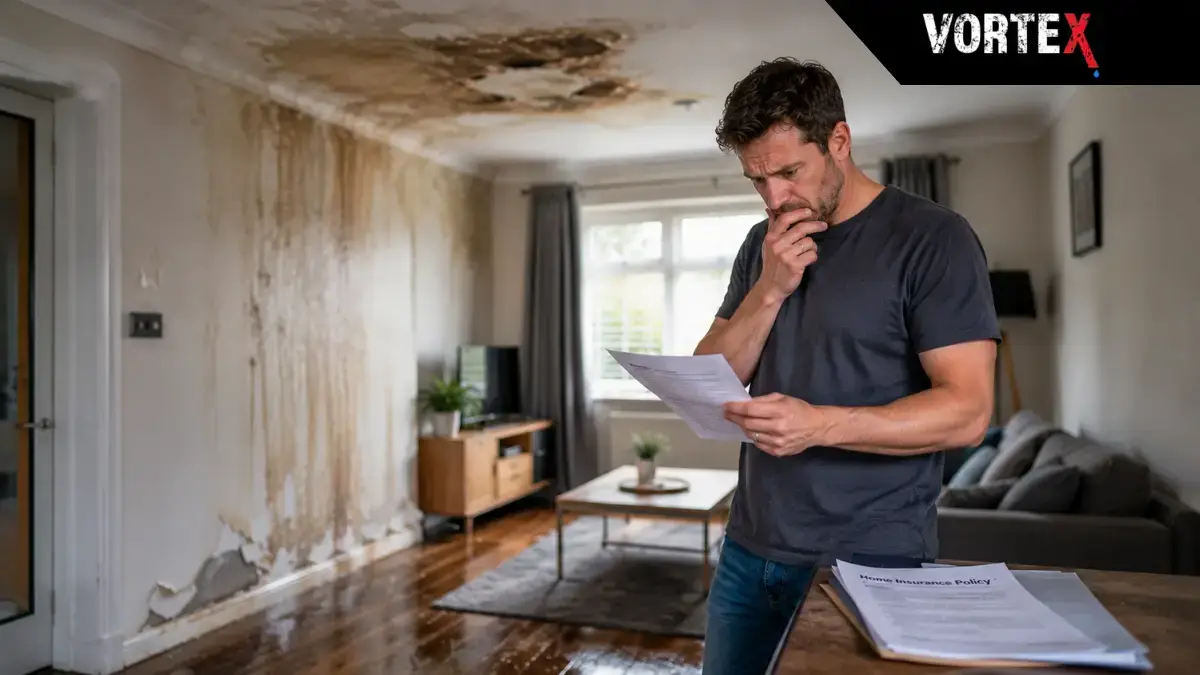

A water bill that is noticeably higher than usual, or higher than comparable periods in previous years, is one of the strongest early signals that water is escaping somewhere it should not be. Many homeowners attribute a high bill to a change in household behaviour, an estimated reading, or a billing error. Sometimes they are right. But a significant and unexplained increase in water use is also one of the most reliable early indicators of a hidden water leak.
The challenge is knowing which type of leak is involved, whether the high bill is actually caused by a leak at all, and what the appropriate next step is. This article covers all three questions: how to interpret a high water bill, how to distinguish between the types of leak that can cause one, and how to confirm whether a hidden leak is responsible before committing to a specialist investigation.
Quick Answer Yes, a can cause a significant and unexplained rise in your water bill. A mains supply pipe leak or an internal plumbing leak both draw continuously from the supply, running the meter up without any obvious household explanation. A heating system leak does not usually raise the water bill but causes the boiler to lose pressure repeatedly instead. The overnight meter test is the most reliable first check.
Three Types of Leak That Can Affect Your Water Bill
Not all leaks behave the same way, and not all of them show up on a water bill. Understanding which type of leak is involved is the starting point for diagnosing the problem correctly.
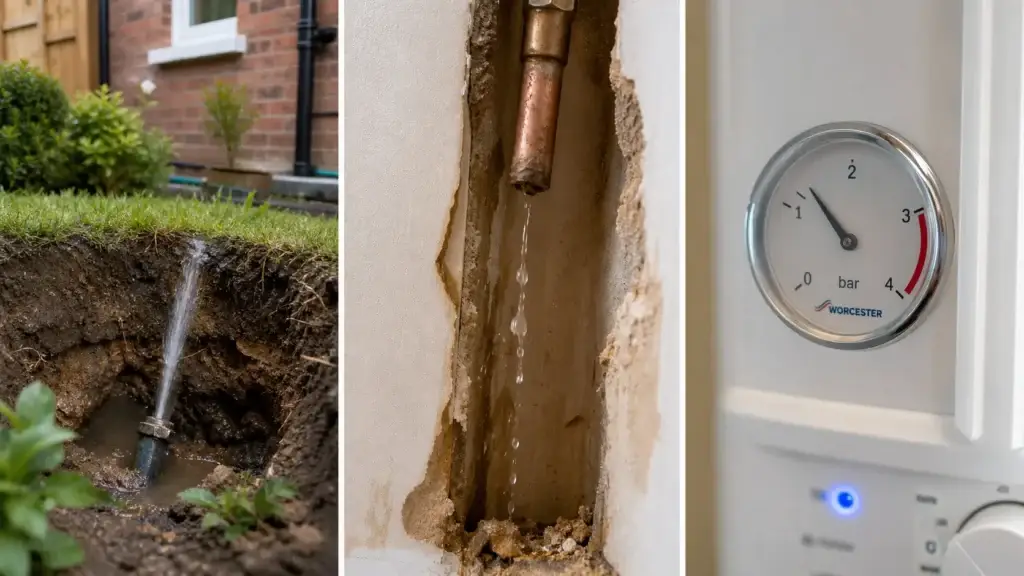
A mains supply pipe leak occurs in the pipe that brings water from the water main into your property. This pipe is typically buried underground, running from the boundary of the property to the internal stopcock. A leak in this section of pipework draws continuously from the supply regardless of whether any taps or appliances are in use. The meter keeps running even when everything inside the property is turned off.
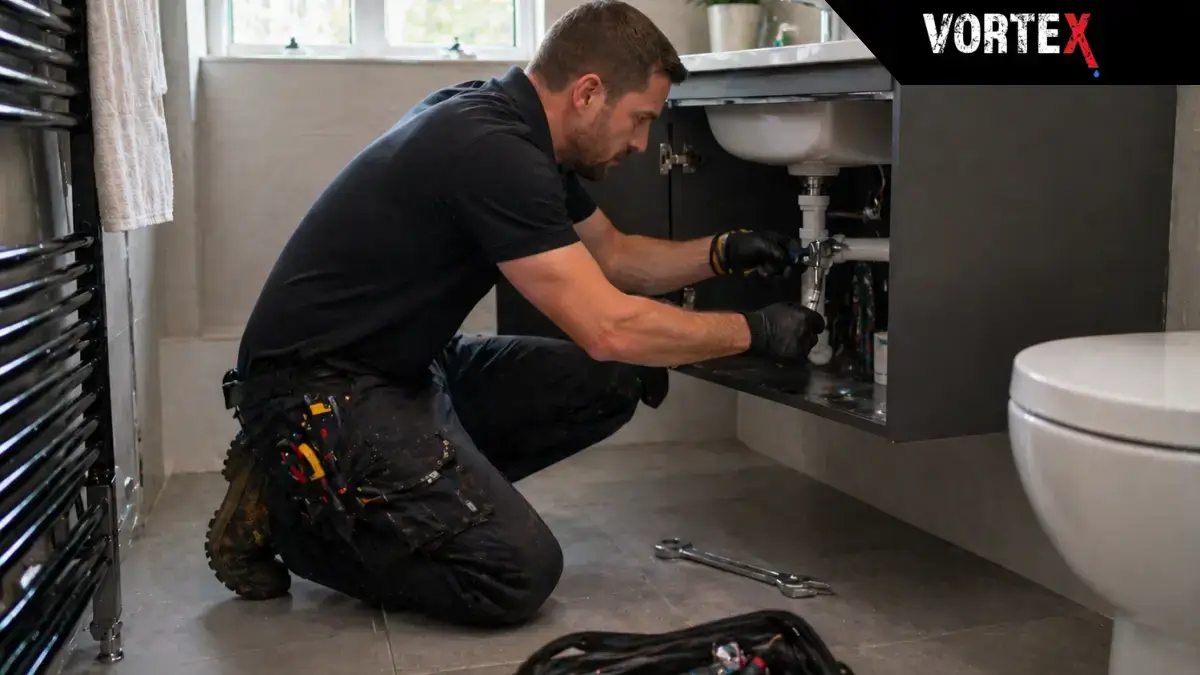
An internal plumbing leak occurs within the property itself, in pipework that runs through walls, floors, ceiling voids, or service ducts. Like a mains leak, an internal plumbing leak draws from the supply and moves the meter. The difference is that the leak point is inside the building fabric rather than below the garden or path.
A heating system leak is a different scenario entirely. A sealed central heating circuit is a closed loop: it does not draw continuously from the mains supply in the same way a plumbing leak does. When the heating circuit loses water through a hidden leak, the symptom is the boiler losing pressure rather than a rising water bill. Each time you repressuise the boiler, you introduce a small amount of fresh mains water, but the volume is typically too small to cause a noticeable impact on the quarterly bill.
This distinction matters. If your water bill is the primary concern, a mains supply leak or internal plumbing leak is the more probable cause. If your boiler pressure is the primary concern alongside the bill, a heating system leak may be involved as a separate issue.
Mains Supply Leak, Internal Plumbing Leak, or Heating Leak: Key Differences at a Glance
The table below summarises the key diagnostic differences between the three leak types and their relationship to a high water bill.
| Sign or Pattern | Mains Supply Leak | Internal Plumbing Leak | Heating System Leak |
| Likely cause | Mains supply pipe leak | Internal plumbing leak | Heating system leak |
| Where water is lost | Underground or in garden before the meter | Inside the property in walls, floors, or fittings | Into the sealed heating circuit and surrounding structure |
| Bill impact | High and often sudden | High, may increase gradually | Minimal direct impact on water bill; pressure loss in boiler instead |
| Water visible? | Sometimes in garden or path, often not | Sometimes, often hidden | Rarely, if ever |
| Meter reading affected? | Yes, significantly | Yes | Not usually (closed circuit) |
| Boiler pressure dropping? | No | No | Yes, recurring pressure loss |
| Who to call | Specialist leak detection, then plumber | Specialist leak detection, then plumber | Specialist leak detection for heating systems |
How Much Water Does a Hidden Leak Actually Waste?
The volume of water that a hidden leak can waste is often surprising to homeowners who assume a small, concealed leak could not account for a meaningfully higher bill. In reality, even a relatively slow leak running continuously has a significant cumulative effect.
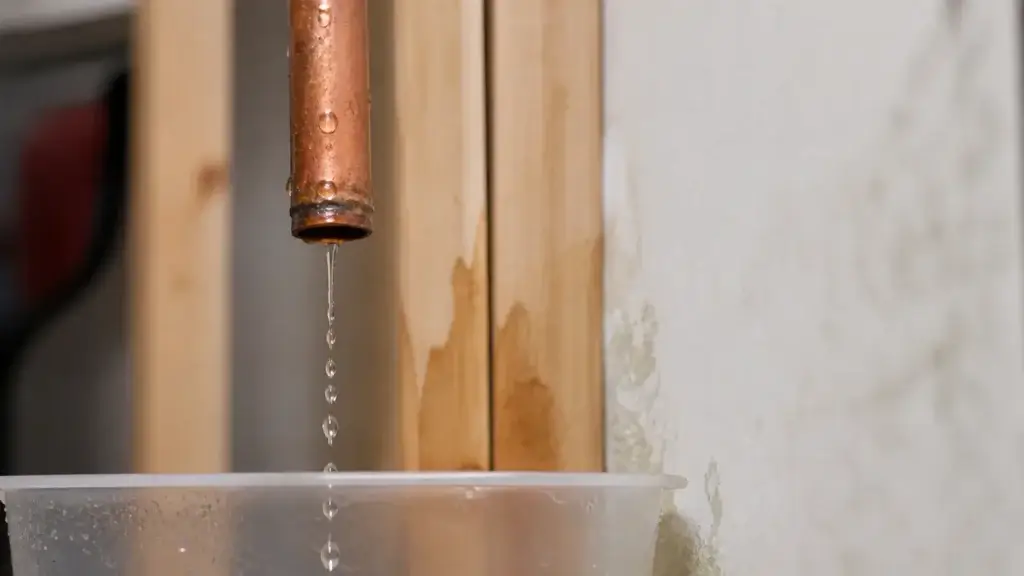
A pinhole leak in a mains supply pipe or internal plumbing pipe, releasing water at a modest but continuous rate, can waste a substantial volume over the course of a day. Across a week, that adds up to a significant increase in usage. Over a quarter, by which point the elevated bill becomes visible, the loss can be considerable.
A more significant leak, or one that has been present for several months before the bill prompted investigation, can account for a very large proportion of the total water usage shown on the meter. This is why high bills associated with hidden leaks are often dramatically out of proportion to any change in household behaviour, and why they feel so surprising when they arrive.
It is also worth noting that water companies meter usage in cubic metres. A seemingly small decimal increase in the meter reading between checks can represent a meaningful volume of water. A few hundredths of a cubic metre per hour, sustained throughout the day, adds up quickly over a month.
What Are the Signs Your High Bill Is Caused by a Leak?
A high water bill alone is not proof of a leak. Several other factors can cause an elevated bill. However, certain patterns alongside a high bill make a leak significantly more probable.
- The bill has risen sharply compared to the same period in the previous year, with no clear change in household occupancy, appliance use, or routine.
- The bill is higher than neighbouring comparable properties would typically show.
- The meter is moving even when all taps, appliances, and garden usage are turned off.
- The high reading appeared on an actual meter reading rather than an estimated one, confirming the meter itself is registering the usage.
- You have noticed a soft wet patch in the garden, a damp area on a path or driveway, or unexplained damp patches inside the property that have no obvious cause.
- The heating system is also losing pressure regularly, which while typically a separate issue, suggests the property may have more than one ongoing water loss problem.
The absence of visible water is not evidence that a leak is not present. Mains supply pipe leaks frequently release all their water into the surrounding ground before any surface evidence appears. Internal plumbing leaks in walls or floors saturate the building fabric without reaching a visible surface for weeks or months.
Could It Be a Mains Supply Pipe Leak?
A mains supply pipe leak occurs in the section of pipe between the water company’s main and the internal stopcock in your property. In most residential properties this section of pipework is your responsibility, not the water company’s, and any leak within it is yours to identify and repair.
Where Mains Supply Pipes Run
The supply pipe typically runs underground from the pavement boundary into the property, often beneath the front garden, path, or driveway, and enters the building through the floor or a wall close to floor level. It is buried at varying depths depending on the age of the property and local ground conditions. It is not visible and cannot be inspected without excavation.
Signs That Point to a Mains Leak
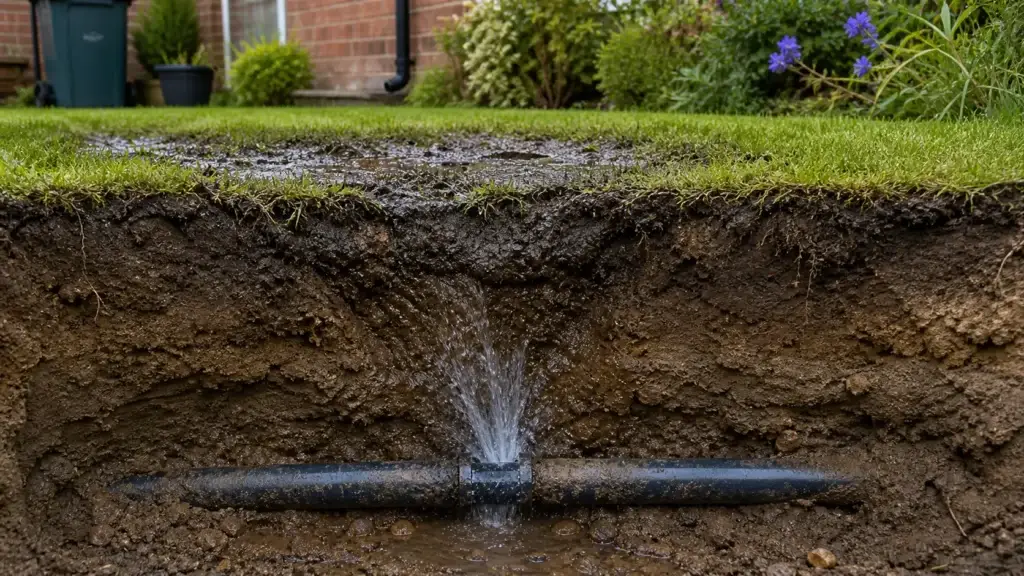
A mains supply pipe leak produces specific patterns worth looking for. A soft, soggy, or unexpectedly lush patch of ground in the front garden or along the path where the pipe runs is one of the most common early surface signs. Water escaping from a buried pipe may rise to the surface gradually, producing a damp patch in the lawn or a wet section of path or driveway.
In colder weather, a mains leak may cause ground frost to melt or ice to form in a localised area where the escaping water is warming the surrounding soil. In dry weather, a patch of garden that remains green and lush despite drought conditions, when the rest of the lawn is dry, can indicate water is escaping from the pipe below.
Inside the property, a mains leak may not produce any visible symptom at all until the ground around the entry point has become sufficiently saturated that moisture begins to appear at the base of a wall near the stopcock.
The most reliable confirmation of a mains leak, short of specialist investigation, is the overnight meter test described below.
Could It Be a Hidden Internal Plumbing Leak?
An internal plumbing leak occurs in the pipework within the building itself, in sections running through wall cavities, floor voids, ceiling spaces, behind fitted kitchens or bathrooms, or beneath screed. These pipes carry cold or hot water under mains pressure, and any failure in the pipework or its joints releases water at a continuous rate directly into the surrounding building fabric.
Where Internal Plumbing Leaks Occur
Internal plumbing pipes run throughout the property connecting the cold mains supply to taps, toilets, showers, the hot water cylinder, and all other water-using fixtures. Any section of this network that passes through a concealed location is a potential source of a hidden leak. Older properties with lead or early copper pipework, or any property where work has been carried out on the plumbing in the past and joints were not made correctly, are particularly susceptible.
Pinhole leaks in copper pipework are a common cause of hidden internal plumbing leaks. They develop when the internal surface of the pipe corrodes over time, producing a small perforation that releases a steady slow trickle. The pipe appears intact from the outside and the leak point may not be accessible without opening a wall or floor surface.
Signs That Point to an Internal Plumbing Leak
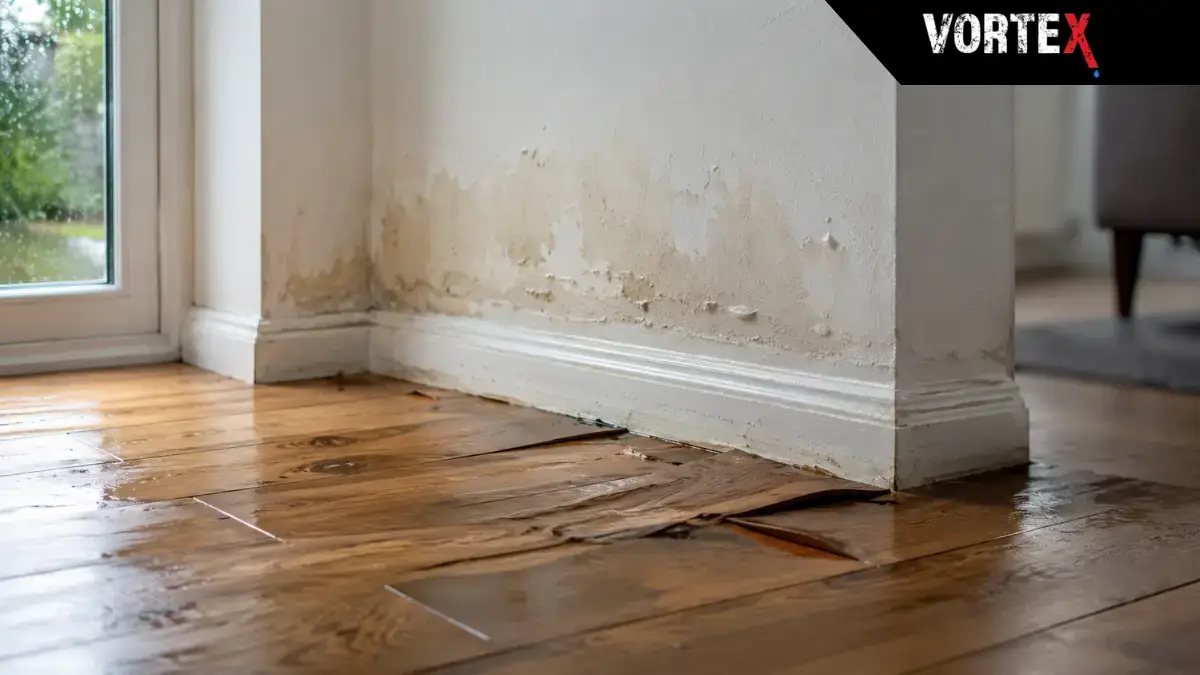
The signs of an internal plumbing leak overlap significantly with those described in the article on how to tell whether damp is a leak or condensation. Damp patches appearing at low level on internal walls, soft or spongy patches in flooring, a musty smell in a room with no obvious moisture source, and mould appearing in unexpected low-level locations are all consistent with an internal plumbing leak.
A property with an internal plumbing leak that is raising the water bill may have one or more of these damp signs somewhere, even if they have not yet become obvious enough to prompt investigation. Combining the high-bill observation with any damp signs increases the probability of an internal leak significantly.
What About a Heating System Leak?
As noted in the comparison table, a sealed central heating system does not typically cause a meaningful increase in the water bill. The circuit is closed: it does not draw continuously from the mains. The symptom of a heating system leak is not a high water bill but a boiler that repeatedly loses pressure and needs to be repressuised.
If your water bill has risen and your boiler pressure is also dropping, these may be two separate issues occurring at the same time: a hidden plumbing or mains leak causing the bill, and a heating system leak causing the pressure loss. Both deserve investigation, and specialist leak detection is relevant to both.
If only the boiler pressure is the concern and the water bill appears normal, refer to the article on why boiler pressure keeps dropping without a visible leak, which covers the heating system scenario in full.
How to Check for a Hidden Leak Using Your Water Meter
Before arranging a specialist investigation, the overnight meter test is the most reliable practical check available to a homeowner. It cannot tell you where the leak is, but it can tell you with reasonable confidence whether water is leaving the system at a rate consistent with a hidden leak.
The Overnight Meter Test
To carry out the test, follow these steps:
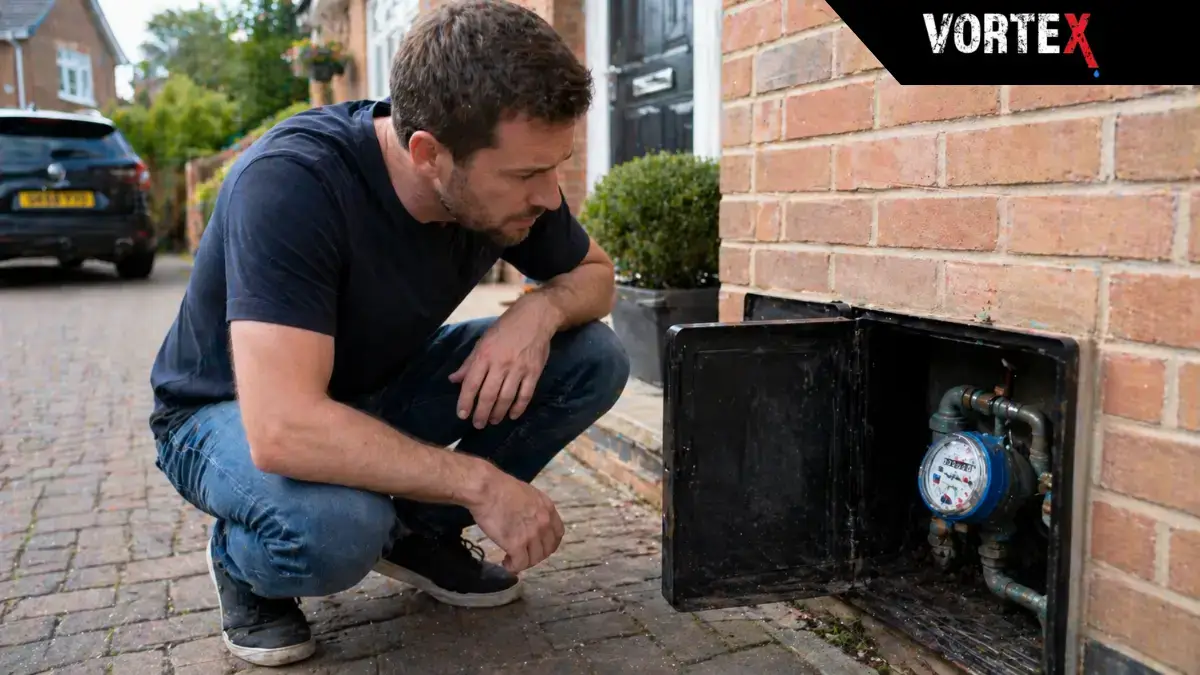
- Locate your water meter. In most properties it is in a small chamber in the pavement or path outside, often marked with a small plastic cover. Some properties have internal meters near the stopcock.
- Before going to bed, turn off all taps, dishwashers, washing machines, garden irrigation, and any other water-using appliances or systems. Make sure no one will use water overnight.
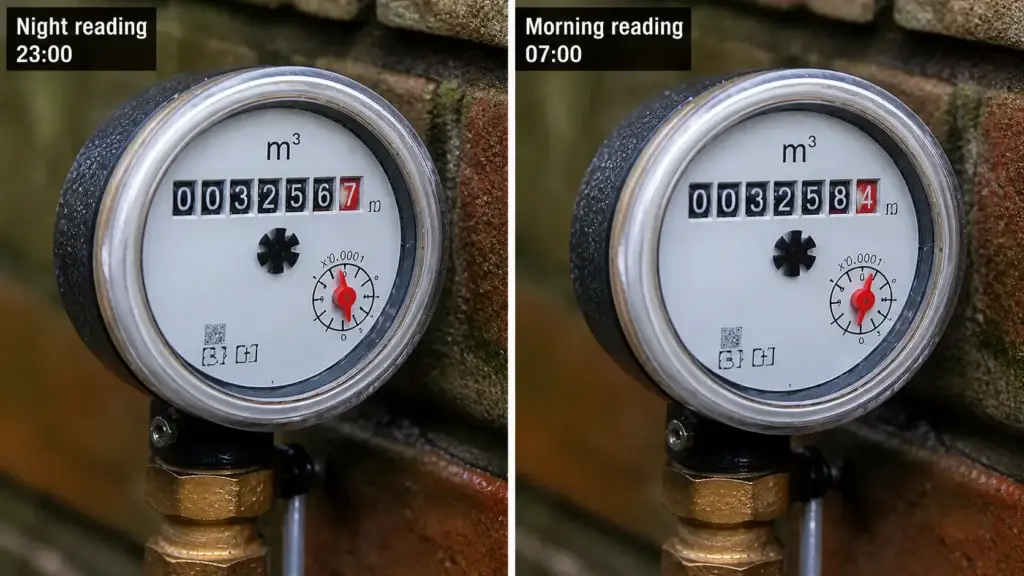
- Note the meter reading precisely, including all digits and the decimal places if visible. Take a photograph of the display if that is easier.
- In the morning, before any water is used in the property, check the meter again and note the reading.
- If the reading has changed overnight, water has left the system while everything inside was turned off. The larger the overnight movement, the more significant the leak.
What the Result Tells You
If the meter has not moved overnight, the most likely explanation is that there is no continuous leak from the mains or internal plumbing. The high bill may be attributable to one of the other causes described below, or may reflect a genuine change in usage that was not immediately apparent.
If the meter has moved, water is leaving the system through a route other than your normal usage. This is a strong indication of a hidden leak in either the mains supply pipe or the internal plumbing network.
The meter test does not distinguish between a mains supply leak and an internal plumbing leak. It also does not identify the location of the leak. For that, specialist detection is required.
Important note about the meter test: The test assumes your stop tap is fully functional and shuts off supply completely when turned off. If the stop tap is partially stuck or not fully closing, the result may be affected. If you are unsure whether the stop tap closes correctly, a plumber can check this before the test is carried out. Some properties have automatic water softeners or pressure-reducing valves that can occasionally allow very small amounts of water to pass. If the meter movement is very minor, a second test is worth carrying out before drawing firm conclusions.
Other Causes of a High Water Bill Worth Ruling Out First
A high water bill is not always caused by a hidden leak. Before concluding that a specialist investigation is needed, it is worth ruling out the following common non-leak causes, as each of these is straightforward to check and eliminate.
A Leaking Toilet Cistern
A toilet cistern that leaks continuously into the bowl is one of the most common causes of an unexpectedly high water bill in domestic properties. The water loss is silent: the cistern refills continuously as water seeps past the valve or flapper, but there is no drip, no puddle, and no visible sign other than the water in the bowl occasionally rippling or the sound of the cistern refilling at unexpected intervals.
A simple dye test confirms a leaking cistern: add a few drops of food colouring to the cistern water without flushing. Wait 15 minutes and then check the bowl. If the colour has appeared in the bowl without flushing, the cistern is leaking continuously. A leaking cistern can waste a significant volume of water per day and is a common cause of quarterly bills that are noticeably higher than expected.
A Dripping Tap
A tap that drips even slowly wastes a meaningful volume of water over a quarter. A fast drip can waste a surprisingly large amount. Dripping taps are often ignored because the volume seems trivial on a per-drop basis, but the cumulative waste over a 90-day billing period can show up clearly on a metered bill.
An Estimated Bill Followed by an Actual Reading
Many water bills in the UK are based on estimated readings for one or more billing periods, with an actual meter reading taken periodically. When a high actual reading follows a period of underestimated bills, the bill corrects for all the usage that was not properly accounted for previously. This can produce a bill that appears shockingly high without any actual increase in water use. Checking whether the current bill is marked as an actual or an estimated reading is always worth doing before concluding that a leak is the cause.
Increased Household Activity
A change in occupancy, the arrival of a new household member, children being home for extended holidays, a garden that has been watered more heavily, or a new appliance with higher water usage can all raise a quarterly bill noticeably. These explanations are worth considering honestly before concluding that a leak is responsible.
Quick Diagnostic Checklist: Is a Leak the Likely Cause?
Work through the following questions and note which responses apply to your situation.
A hidden water leak is the likely cause of your high bill if: The overnight meter test showed movement with all taps and appliances turned offThe bill is based on an actual reading, not an estimate, and the usage is genuinely elevatedThere has been no change in household occupancy or routine that would explain the increaseYou have ruled out a leaking toilet cistern and dripping tapsThere is a soft wet patch in the garden above where the supply pipe runsThere are unexplained damp patches inside the property at low wall or floor levelThe meter shows movement even when the internal stopcock is turned off (indicating the leak is between the street main and the internal stopcock)The bill has been creeping upward over several quarters rather than appearing as a single spike.
A hidden leak is less likely and another cause should be checked first if: The overnight meter test showed no movementThe current bill followed a period of estimated readings and represents a catch-upA leaking cistern or dripping tap was found and confirmed to be wasting waterThere was a clear change in household occupancy or usage patternsThe property uses a water meter that was recently installed and previous bills were assessed rather than metered.
Why High Water Bills From Leaks Are So Easy to Dismiss
One of the most consistent patterns observed in hidden leak situations is the delay between when the leak begins and when the homeowner acts on the evidence. A high water bill is an indirect signal. It does not tell you that water is escaping from a pipe. It tells you that more water has been used than expected, which could be a billing issue, a behavioural change, or a fault. This ambiguity is exactly what leads homeowners to wait for the next bill before deciding what to do.
The second common reason for delay is the discomfort of the prospect of a specialist investigation. Homeowners who are uncertain whether a leak exists sometimes prefer to wait and see whether the next bill is also elevated before committing to calling someone. This is understandable but problematic: the leak is not pausing while the decision is made. Every week that passes adds to the cumulative water loss, the structural saturation of the surrounding material, and the cost and complexity of eventual remediation.
The overnight meter test is specifically valuable in this context because it removes the ambiguity. A meter that moves overnight is not ambiguous. It is evidence of water leaving the system through an unintended route, and it justifies proceeding with a specialist investigation with confidence.
What Happens to Your Property If the Leak Continues?
The consequences of an undetected hidden water leak compound steadily over time. The financial waste of the water itself is only one dimension of the problem.
A mains supply pipe leak that continues for months saturates the surrounding ground progressively. In some cases this produces ground movement that can affect paths, driveways, or the foundations of the property. In others the sustained moisture creates conditions that attract penetrating damp into the building at ground level.
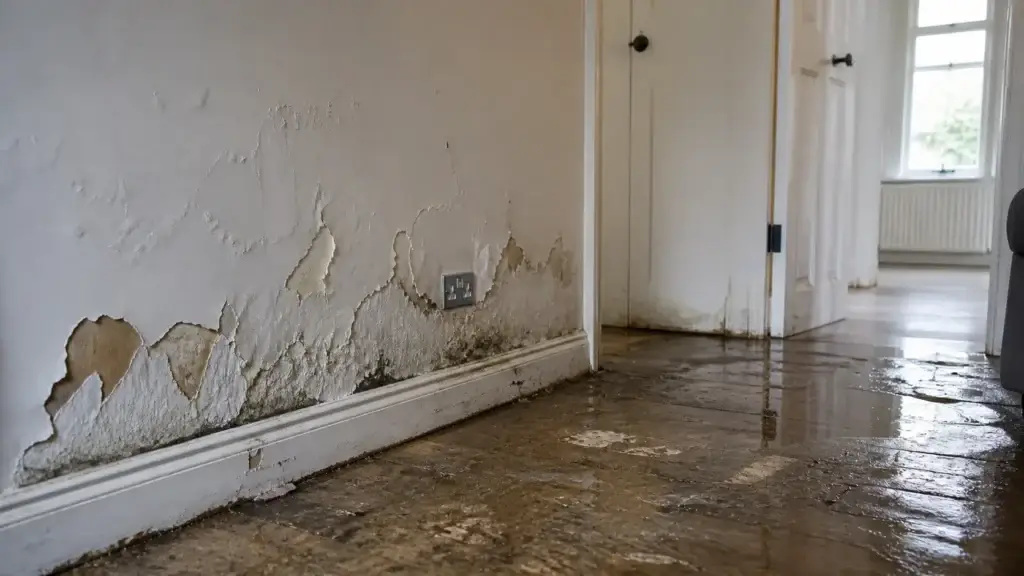
An internal plumbing leak that continues undetected saturates the surrounding building material: concrete screed, timber joists, insulation, plasterboard, and timber elements. The longer the leak continues, the more extensive the saturation becomes. Structural elements can degrade. Mould establishes itself in the affected material. Floor coverings lift and buckle. The remediation cost escalates with every week the leak is left unaddressed.
Catching a hidden leak early, when the evidence first appears in the form of a high water bill, is significantly cheaper and less disruptive than addressing it after months of continued damage. The specialist investigation and the repair that follows are both more contained when the problem is caught at the bill stage rather than the structural damage stage.
When Should You Arrange a Specialist Investigation?
If the overnight meter test confirms water movement with everything turned off, a specialist investigation is the appropriate next step. The meter test gives you reasonable confidence that a leak exists. The specialist investigation identifies where it is and what type of pipework is involved, so that a targeted repair can be made without unnecessary disruption to floors, walls, or grounds.
You should also consider arranging an investigation if any of the following apply alongside a high bill:
- You have noticed a soft, wet, or unusually lush patch of ground above where the supply pipe is likely to run.
- There are unexplained damp patches inside the property at low level on walls or on floors.
- The high bill has been a pattern over more than one quarter rather than a single spike.
- You have ruled out all the common non-leak causes described in this article.
What to Do Next
A hidden water leak does not resolve itself. The water continues to escape, the meter continues to run, and the structural impact on the surrounding building fabric continues to build for as long as the leak is present.
If your water bill is unexpectedly high and the overnight meter test suggests water is leaving the system, the most effective response is a professional leak detection investigation. Specialist detection using acoustic equipment, thermal imaging, and tracer gas can locate the source of a hidden plumbing or mains supply leak without requiring exploratory damage to floors, walls, or grounds. The leak point is identified with precision before any repair or access work is considered.
The Vortex Leak Detection specialist team investigates hidden water leaks in both domestic and commercial properties, covering mains supply pipe leaks, internal plumbing leaks, and heating system leaks. If you have noticed a high water bill that you cannot explain, or if the overnight meter test has confirmed water movement, get in touch to discuss what you have found or to arrange an assessment.
Do not keep paying for water that is escaping into the ground. If the overnight meter test showed movement, or if your bill has risen without explanation, contact Vortex Leak Detection. Our specialist team can locate the source of a hidden leak without unnecessary disruption to your property.