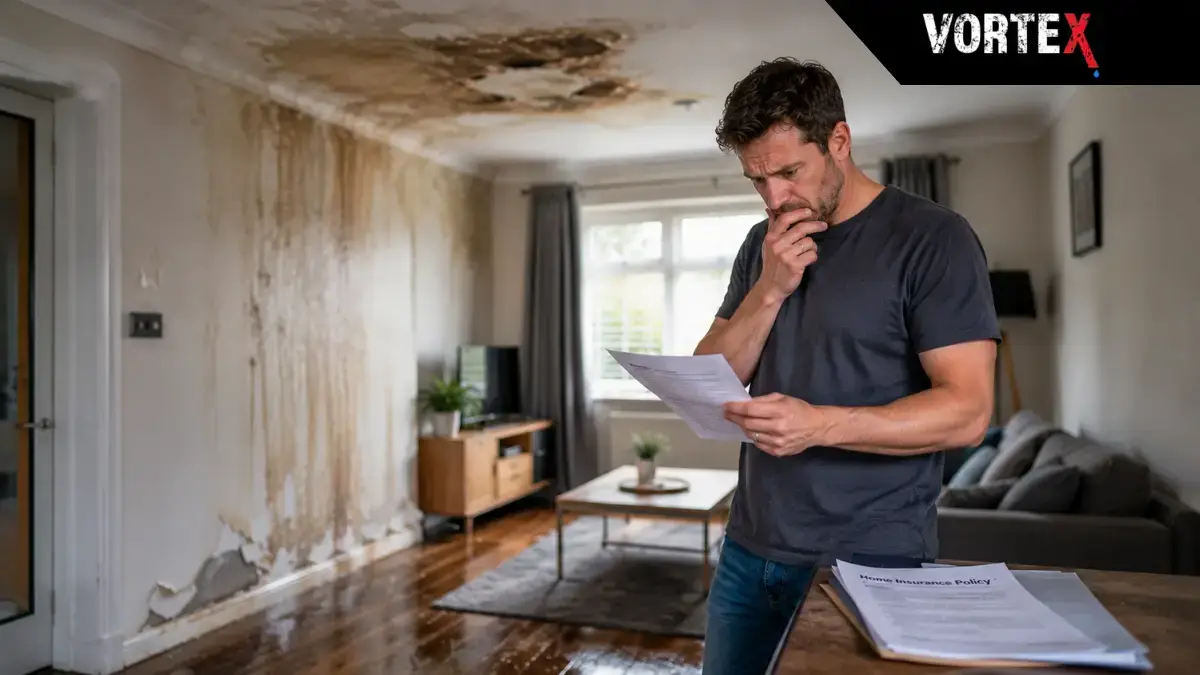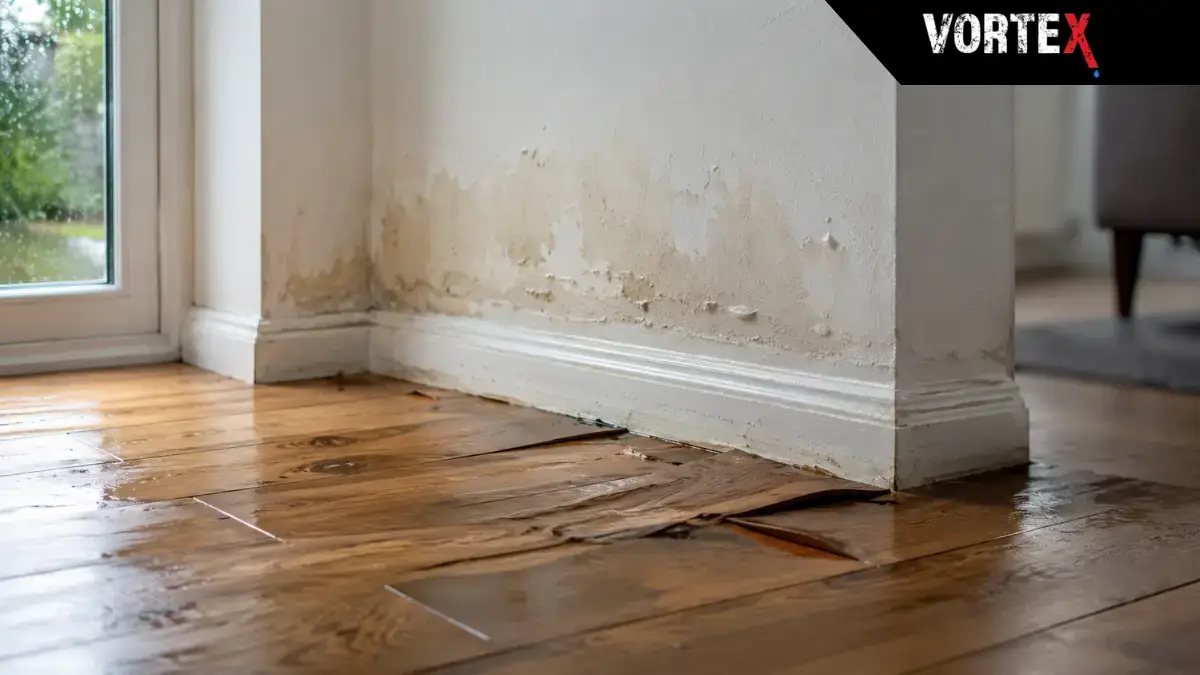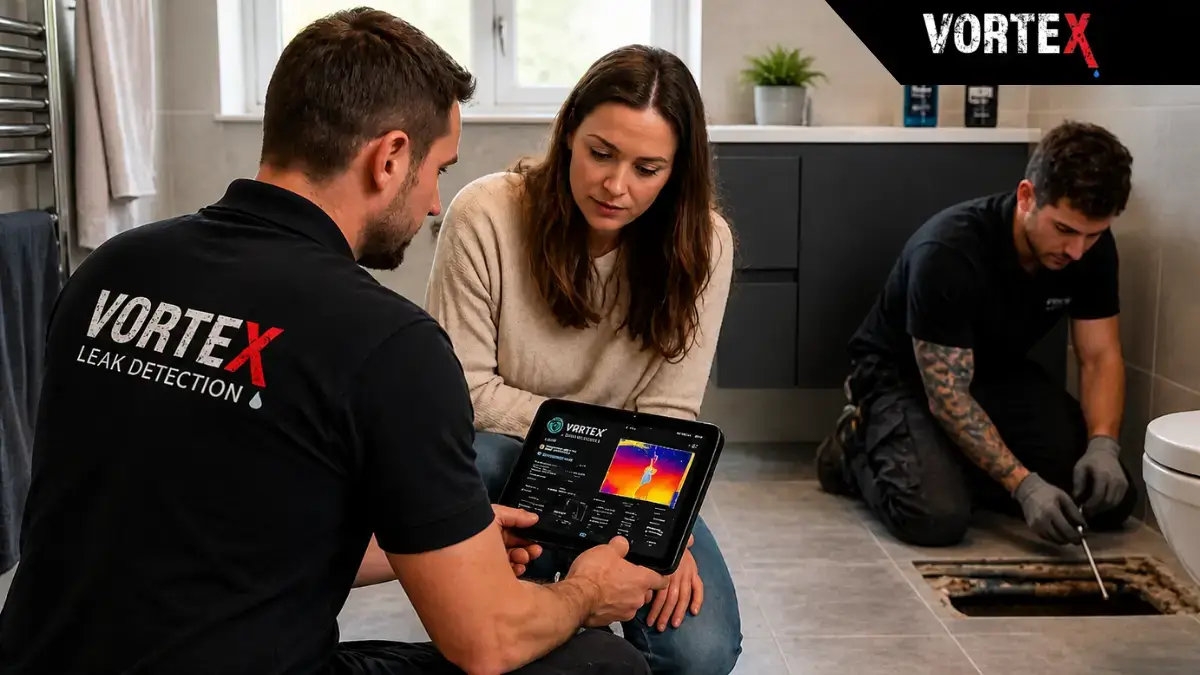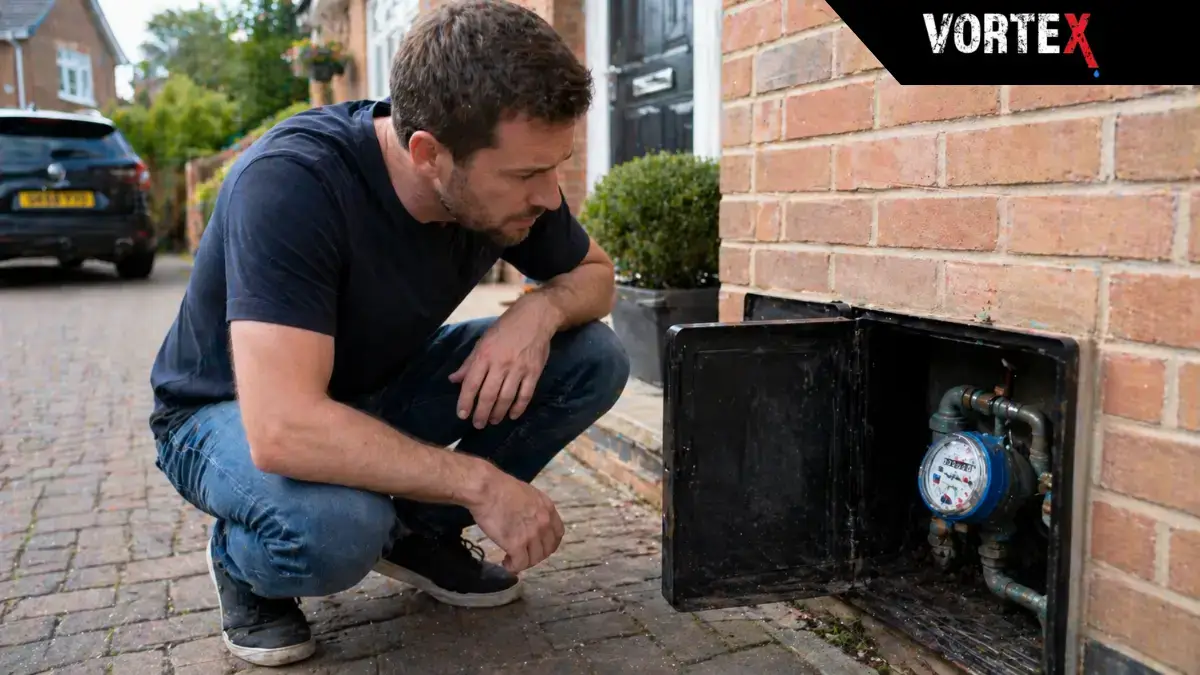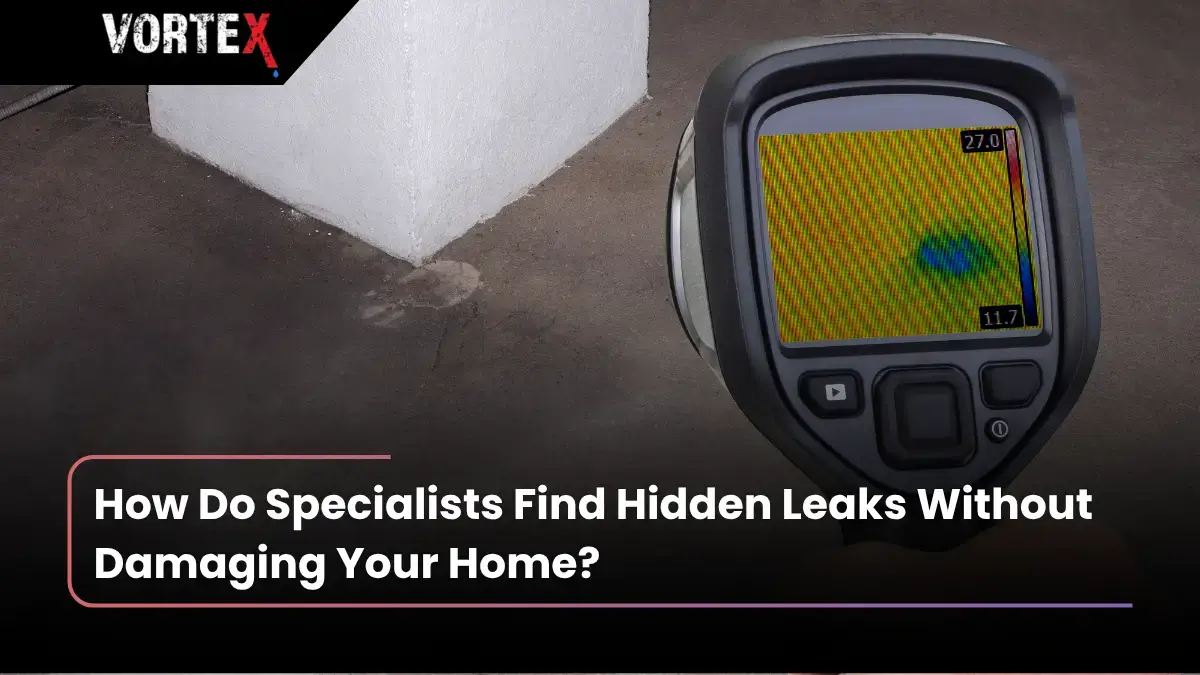

Discovering water damage in your property is stressful enough. Navigating the insurance claim that follows adds another layer of complexity that many homeowners find daunting. Understanding what escape of water cover actually includes, what evidence you need, how the process works, and where specialist detection fits in the chain makes the difference between a claim that is handled smoothly and one that stalls, is reduced, or is denied.
This article explains everything you need to know before you start an escape of water claim, from what the term means on your policy to how to maximise the strength of your claim with the right documentation and specialist support.
| Quick AnswerEscape of water is a standard section of most home buildings insurance policies that covers damage caused by water escaping from pipes, tanks, or fixed appliances within the home. It typically covers the cost of repairing the damage caused by the water, but not always the cost of finding the leak. Finding the leak is covered by a separate trace and access clause if your policy includes one. A specialist detection report is usually required to support both elements of the claim. |
What Is Escape of Water on a Home Insurance Policy?
Escape of water is a defined peril on most home buildings insurance policies, meaning it is a specific type of damage event that the policy is designed to cover. The term refers to water that escapes from fixed plumbing, pipes, tanks, appliances, or heating systems within the property and causes damage to the building.
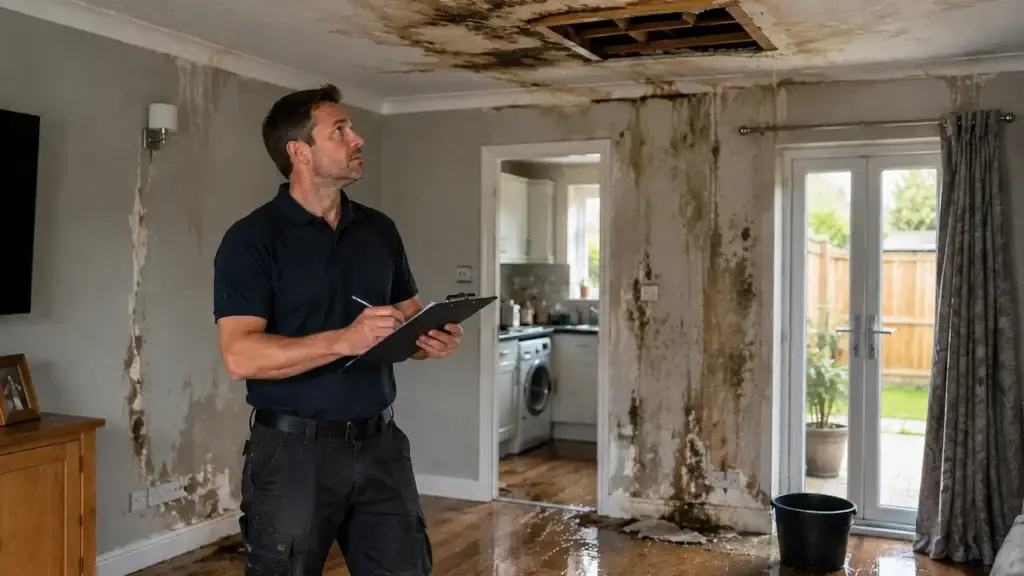
Common events that trigger escape of water cover include burst pipes, leaking radiators, leaking water tanks, failed dishwasher hoses, leaking washing machine connections, and hidden pipe leaks within walls, floors, or ceilings. The common factor is that water has escaped from a fixed system within the property and has caused damage to the building fabric.
Escape of water is one of the most frequently claimed perils in home insurance in the UK. Because of this, some insurers have introduced higher excesses for escape of water specifically, or have reduced the scope of cover, making it more important than ever to understand exactly what your policy includes before you need to rely on it.
What Does Escape of Water Insurance Typically Cover?
- Damage to the building structure caused by the escaping water, including damage to ceilings, walls, floors, and fitted units
- The cost of drying out the affected area after the leak has been repaired, including professional drying services if required
- Repair or replacement of damaged floor coverings, plasterwork, and decorative finishes
- In some policies, the cost of temporary accommodation if the damage makes the property uninhabitable while repairs are carried out
- Damage to fixed bathroom, kitchen, and utility fittings caused by the water
The above represents typical inclusions. What your policy specifically covers depends on its own wording.
What Is Not Covered Under Escape of Water?
- The repair of the source of the leak itself, meaning the replacement of the burst pipe, failed appliance hose, or leaking fitting. This is generally considered a maintenance issue rather than an insured event.
- Damage caused by gradual leakage that was known about or should have been discovered through reasonable maintenance
- Damage to the contents of the property, which is covered by contents insurance rather than buildings insurance
- The cost of finding the leak, unless the policy includes a trace and access clause
- Damage caused by a leak that the policyholder failed to mitigate after becoming aware of it
Escape of Water vs Trace and Access: How They Work Together
Escape of water and trace and access are two separate but related elements of home insurance that work together to cover the full cost of a hidden leak situation.
Escape of water covers the damage: the wet ceilings, the damaged plasterwork, the ruined floor coverings, the structural drying required after the leak is fixed.
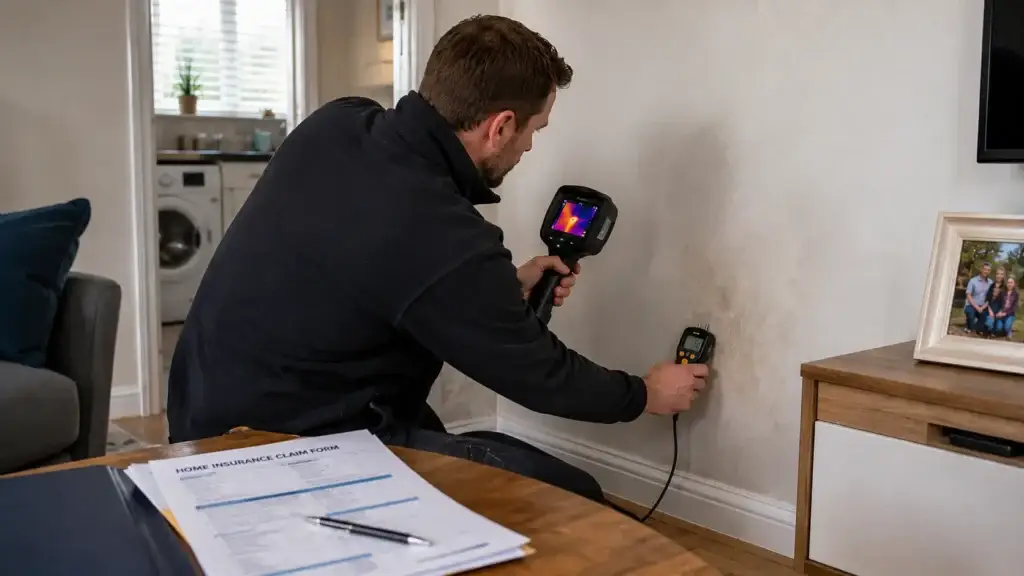
Trace and access covers the investigation: the specialist detection survey that finds the leak and the physical access work to reach the pipe for repair. This typically covers the cost of cutting into a floor or wall to access the confirmed leak position.
Without trace and access cover, the cost of finding and physically accessing the leak falls on you. Without escape of water cover, the cost of repairing the consequential damage falls on you. Many homeowners have escape of water cover but not trace and access, or have both but do not realise they are separate elements. Checking both sections of your policy before a claim is necessary.
For a full explanation of trace and access cover and how it works, the article on what trace and access means on a home insurance policy covers this in detail.
What Evidence Do You Need for an Escape of Water Claim?
The strength of your escape of water claim depends heavily on the quality and completeness of the evidence you submit with it. Insufficient evidence leads to delays, requests for additional information, and in some cases claim reductions.
Photographs and Video
Document every affected area immediately, before any cleaning or drying is done. Photograph every wet surface, every stained ceiling, every area of damaged flooring, and every item damaged by the water. The date and time stamp on the photographs creates a contemporaneous record that the insurer can rely on.
Written Records
Keep a written record of when the damage was first discovered, what actions were taken and when, every communication with the insurer, every contractor visit, and any expenditure incurred. A simple chronological log from the date of discovery is valuable.
Contractor Reports
Reports from any plumber who attended, any emergency contractor, and any drying specialist confirm the technical assessment of the damage and the work done.
Specialist Detection Report
The specialist leak detection report is typically the most important single piece of evidence in an escape of water claim involving a hidden leak. It documents the cause and origin of the water escape with technical precision, which is what the insurer needs to confirm that an insured event has occurred and that the source has been resolved.
Why a Specialist Detection Report Strengthens Your Claim
Many escape of water claims are delayed or disputed because the cause and origin of the water escape cannot be confirmed. An insurer processing a claim for damaged ceilings and wet walls needs to know that the damage was caused by an escape of water from a fixed installation within the policy terms, not by another cause such as penetrating damp or condensation.
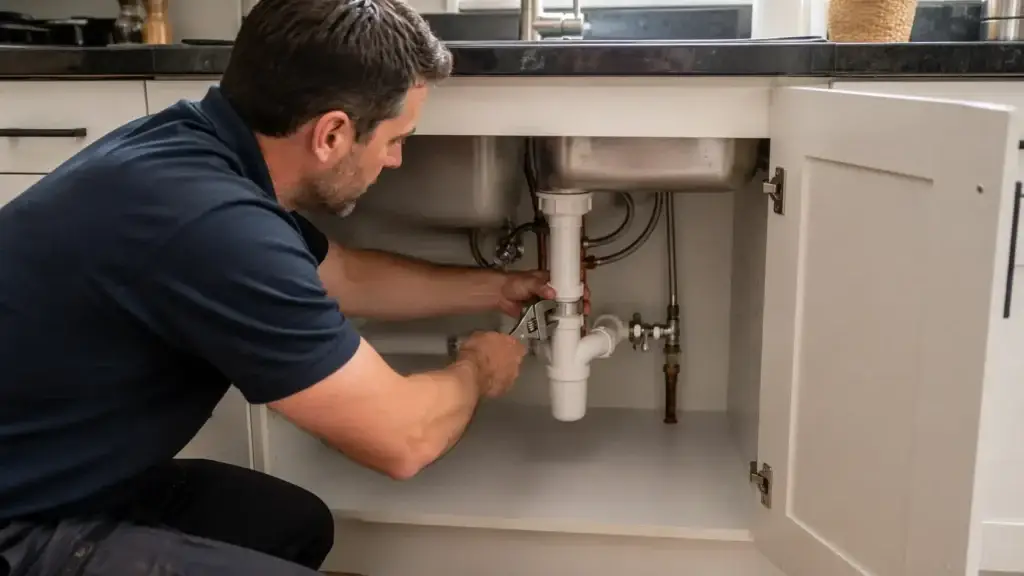
A specialist detection report provides that confirmation. It documents the methods used to investigate, the evidence found, and the confirmed location and type of pipe failure. It removes ambiguity about the cause of the damage and gives the insurer the evidence they need to process the claim without requiring further investigation.
A well-written report also helps ensure that the full scope of the damage is covered. If the report identifies the extent of moisture saturation throughout the affected area, it supports a claim for the full remediation required rather than a partial assessment.
What to Do Immediately After Discovering Water Damage
| Immediate steps to protect your claim:Stop the source of water if possible by turning off the stop tap or the appliance supply. Do not leave water escaping if you can prevent it.Document the damage immediately and comprehensively with photographs and video before any cleaning up is done.Notify your insurer by phone as soon as practical and obtain a claim reference number.Ask your insurer specifically whether trace and access cover is included in your policy and whether prior authorisation is needed before a specialist survey is commissioned.Keep all damaged items in place until the insurer’s loss adjuster or surveyor has assessed them if instructed to do so.Arrange emergency drying and containment measures where practical, but document the condition before doing so.Do not authorise significant repair work before the insurer has assessed the damage unless it is necessary to prevent further damage, and document your reasoning if you do.Record all expenditure from the date of discovery with receipts. |
How the Claims Process Works Step by Step
| Stage | Who Is Involved | What Happens | Typical Timeframe |
| Report the claim | You and your insurer | Notify insurer, obtain claim reference, confirm policy cover and excess | Day 1 |
| Emergency response | You and emergency contractor if needed | Stop the water source, emergency drying if needed, document everything | Day 1 to 2 |
| Specialist detection survey | Specialist and you | Survey commissioned (confirm insurer authorisation if required), leak source identified and documented | Days 1 to 7 |
| Loss adjuster assessment | Insurer-appointed loss adjuster | Inspects the damage, reviews the specialist report, assesses claim scope | Days 7 to 21 |
| Claim approval | Insurer | Claim scope agreed and approved, settlement agreed or works authorised | Weeks 2 to 6 |
| Remediation and repair | Specialist drying contractor, plumber, building contractor | Leak repaired, drying programme completed, structure assessed | Weeks 2 to 16 depending on severity |
| Reinstatement | Building and decorating contractor | Plasterwork, floor coverings, decoration reinstated | After drying confirmed complete |
| Claim settlement | Insurer and you | Final settlement paid or contractors paid directly | Ongoing to completion |
What If the Insurer Rejects or Reduces Your Claim?
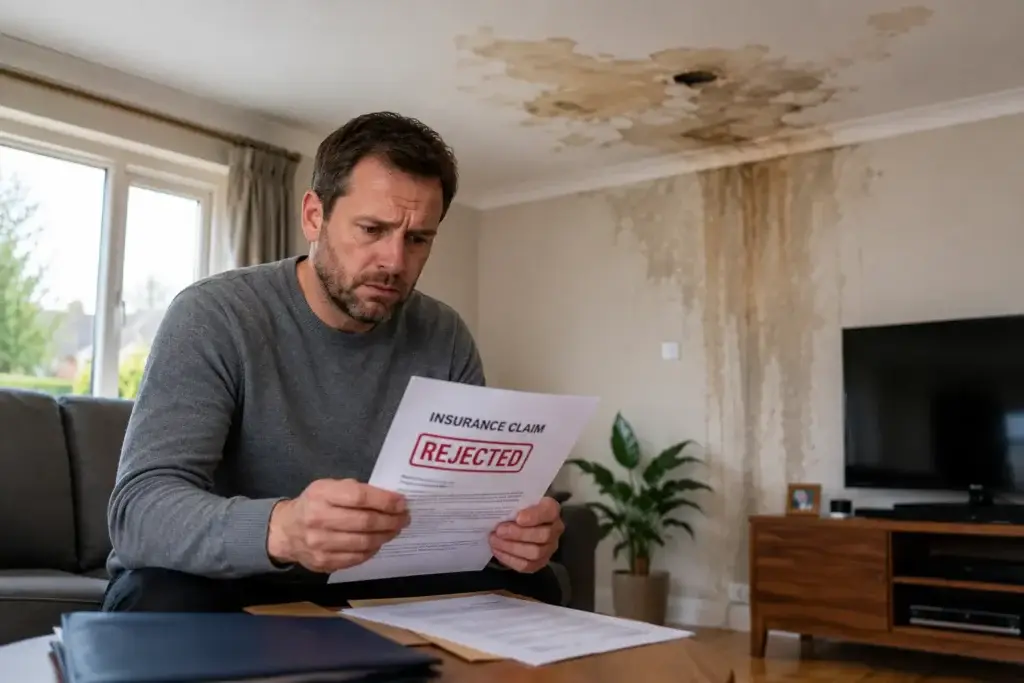
If your insurer rejects or significantly reduces your escape of water claim, you have the right to challenge the decision. The first step is to request a written explanation of the basis for the decision. Review the explanation against your policy wording carefully. Many disputes arise from the insurer applying an interpretation of the policy that the wording does not clearly support.
If you disagree with the insurer’s position, you can raise a formal complaint with the insurer’s complaints handling team. If the complaint is not resolved satisfactorily, you can refer the matter to the Financial Ombudsman Service, which adjudicates insurance disputes independently. A specialist detection report that clearly documents the cause and origin of the damage is one of the strongest pieces of evidence in any dispute about whether an insured event has occurred.
Does Making a Claim Affect Your Premium?
Making an escape of water claim may affect your insurance premium at renewal, depending on your insurer’s rating methodology and the size of the claim. Some insurers rate escape of water claims as an increased risk signal, particularly if multiple claims have been made in a short period. Others assess the impact on a case-by-case basis.
It is worth asking your insurer at the time of the claim what the likely impact on your premium will be at renewal. This allows you to make an informed decision about whether to proceed with a claim for smaller amounts where the excess and premium increase may together exceed the claim value.
Quick Reference: Escape of Water Claim Checklist
| Before and during your escape of water claim:Check your policy for escape of water cover and the specific excess that appliesCheck separately whether trace and access cover is includedNotify your insurer on the day of discovery and obtain a claim referenceAsk whether you need prior authorisation before commissioning a specialist detection surveyDocument all damage comprehensively with dated photographs before cleaning anythingCommission a specialist detection survey and obtain a written report confirming the leak sourceSubmit the specialist report with your claim documentationKeep a complete record of all communications, contractor visits, and expenditureAsk your insurer for a written explanation if any element of the claim is disputed |
What to Do Next
If you are dealing with water damage in your property and need a specialist detection report to support an insurance claim, or if you need a survey to confirm the source of an escape of water before contacting your insurer, Vortex Leak Detection provides specialist surveys and written reports suitable for insurance claim purposes. Get in touch at vortexleakdetection.co.uk/contact-us-vortex/ to discuss your situation.