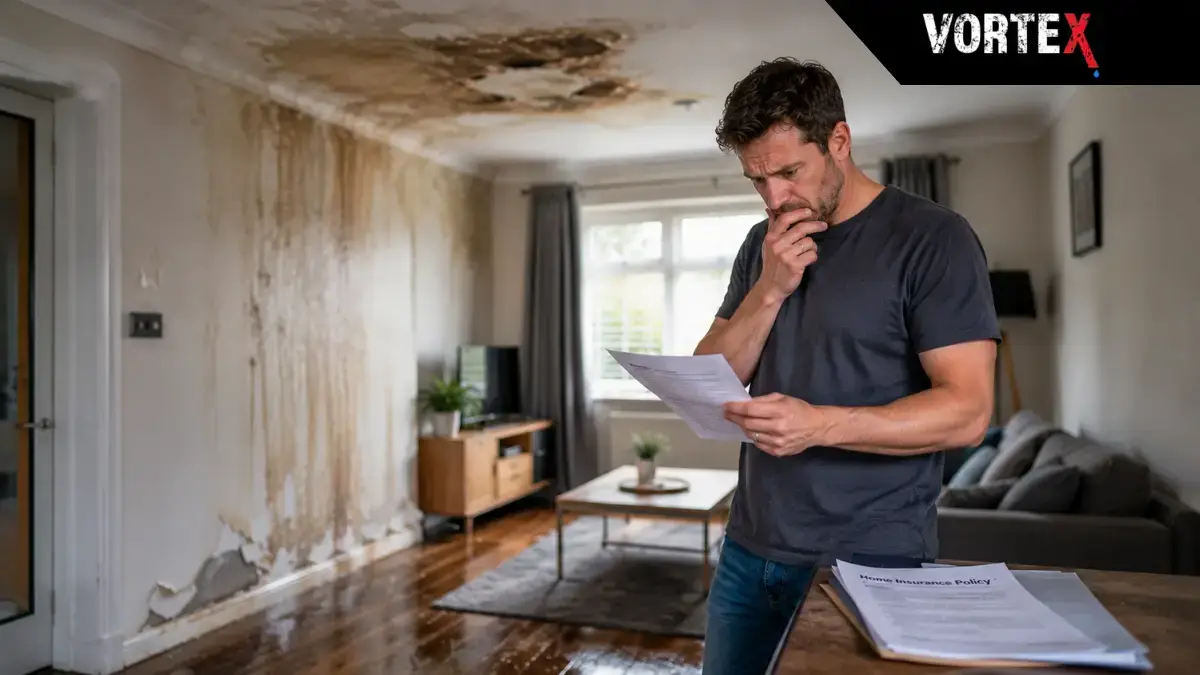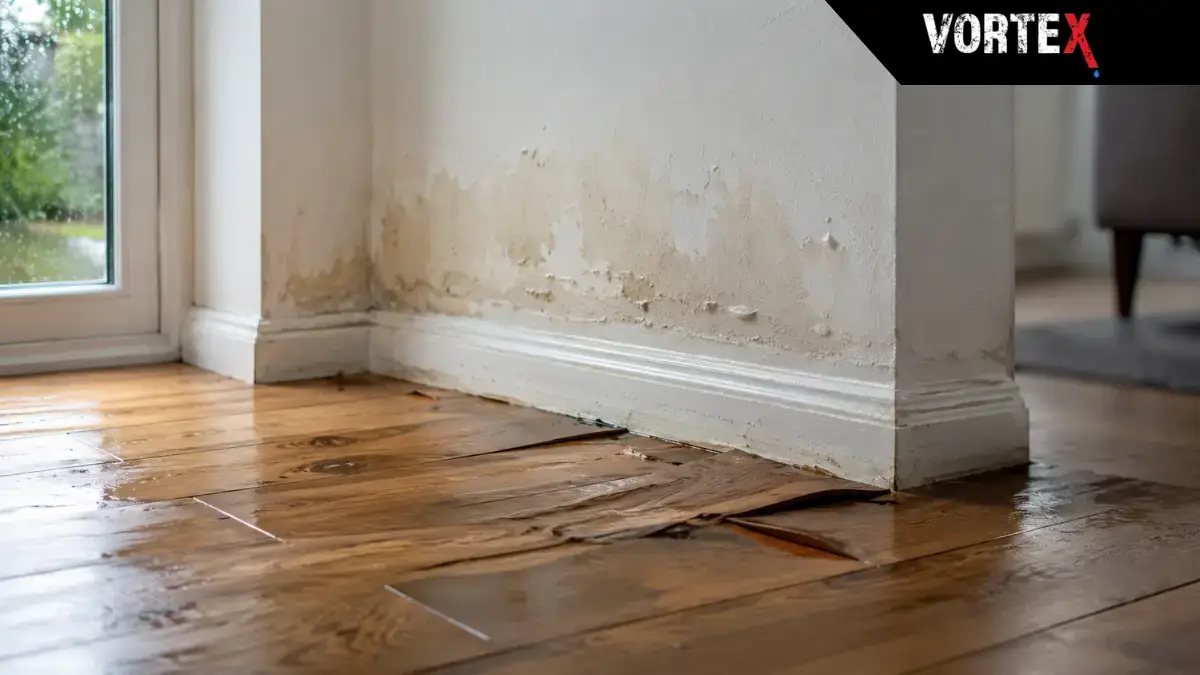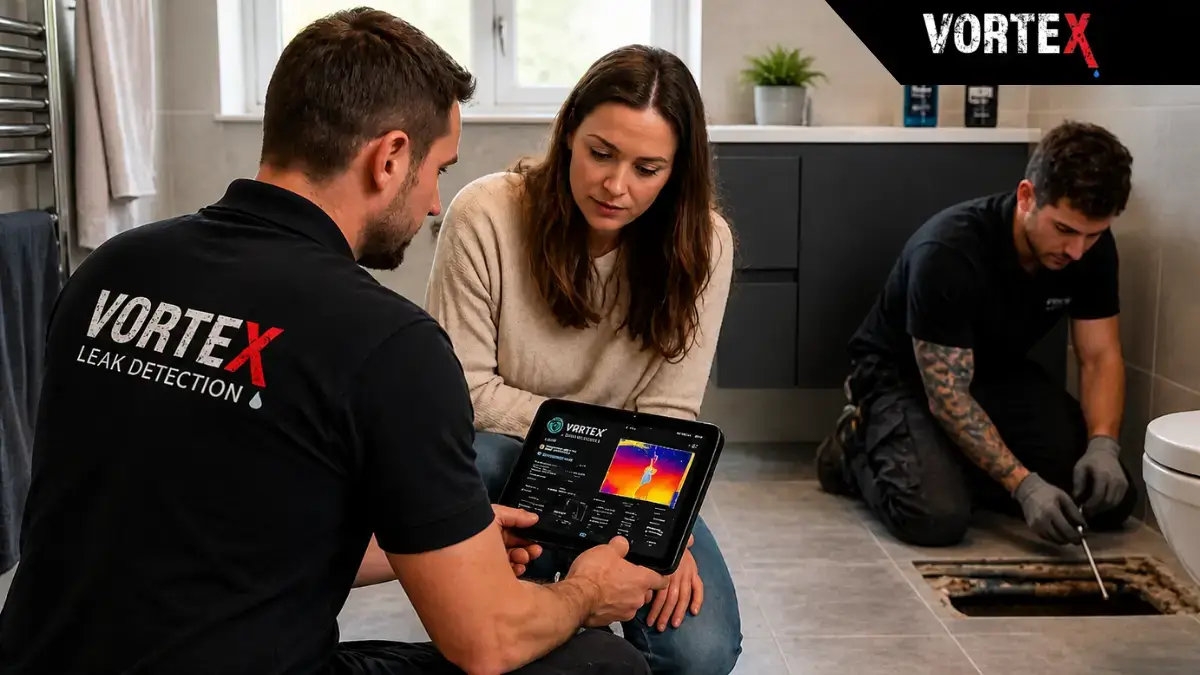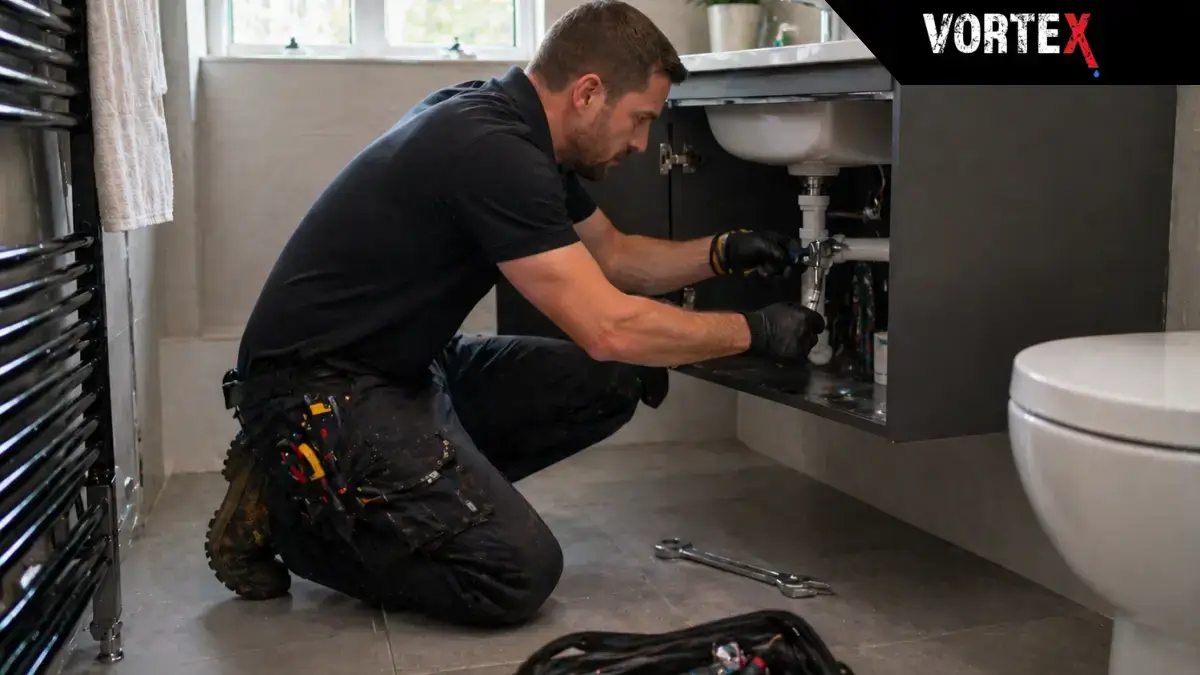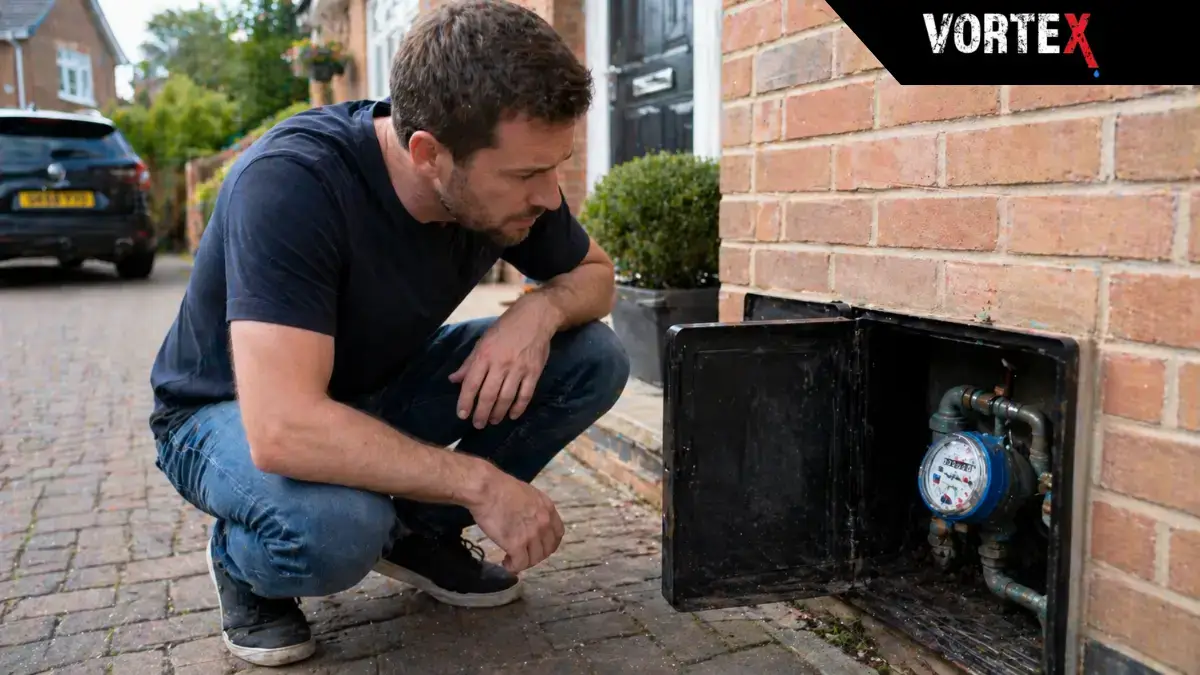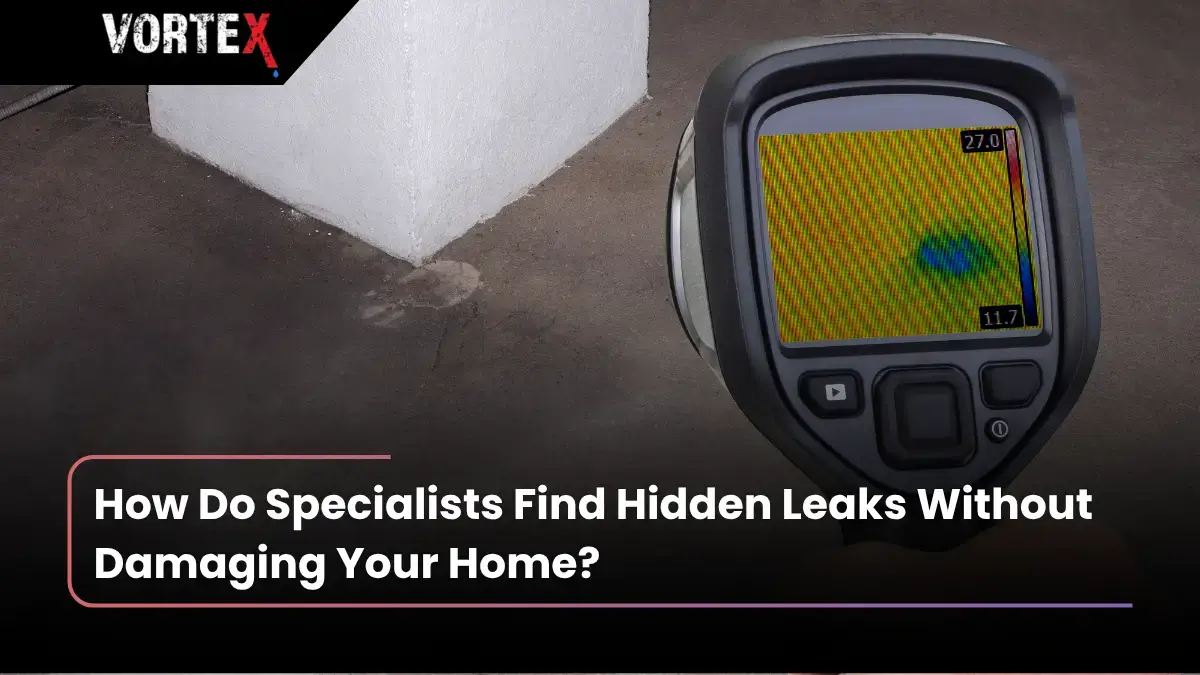

A home plumbing survey is a professional inspection of a property’s plumbing, heating, and water systems designed to identify existing problems, hidden faults, and areas of potential vulnerability. Unlike a visual walk-around by a general plumber, a specialist plumbing survey uses detection equipment to assess what is happening inside and beneath the building fabric, including pipework that is not accessible through visual inspection alone.
The survey is not a routine call-out. It is a systematic investigation of the condition of the water, drainage, and heating systems in a property, typically producing a written report that documents findings and recommendations. It is used at different points in a property’s life: before purchase, after a period of suspected problems, as part of landlord maintenance management, or as a precautionary check on an older property.
This article explains what a home plumbing survey includes, how it differs from other types of property survey, who typically needs one, and how to decide whether your situation warrants arranging one.
Quick Answer
A home plumbing survey is a specialist inspection of a property’s plumbing, heating, and water systems using detection equipment to assess pipe condition, identify leaks, and locate hidden moisture. It goes beyond visual inspection to check what is happening inside walls, floors, and the building fabric. It is most commonly commissioned before buying a property, after a period of plumbing problems, or as a preventative check on an older home.
What Is a Home Plumbing Survey?
A home plumbing survey is a comprehensive professional assessment of every water-related system in a property. It covers the cold water supply from the point of entry, the hot water system, the central heating circuit, the waste and drainage connections, and the condition of the pipework throughout the building.
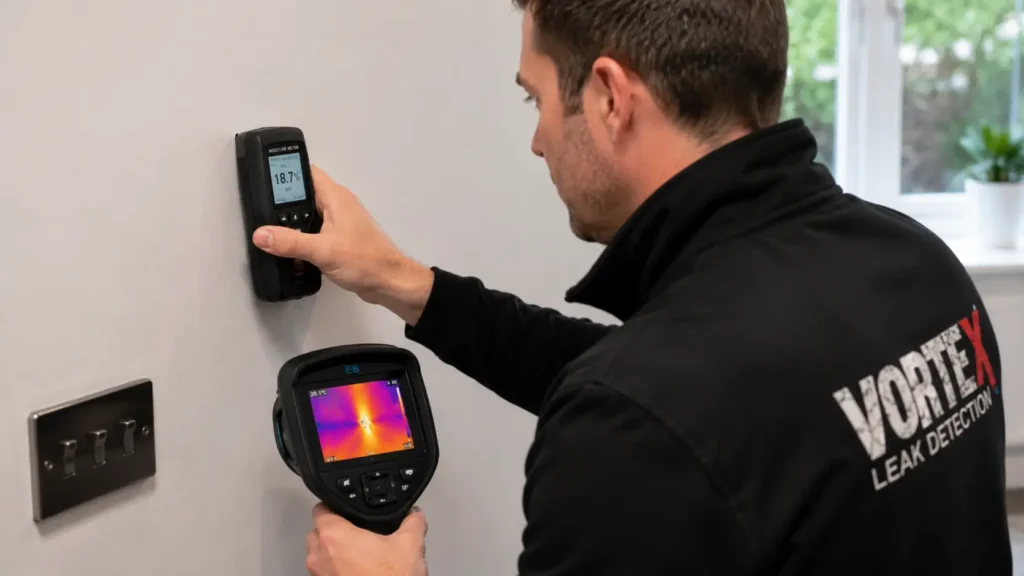
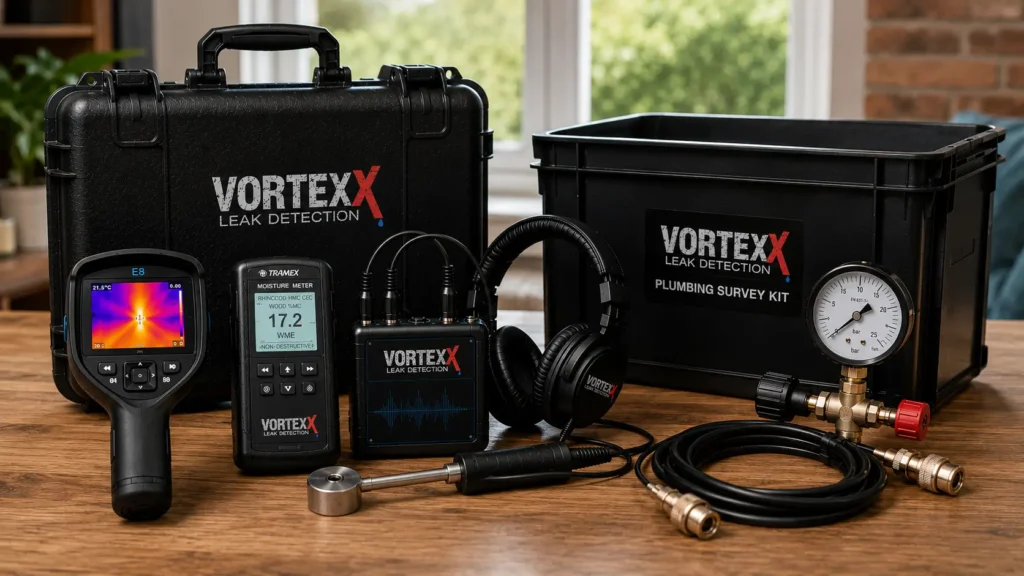
The defining feature of a professional plumbing survey is that it uses specialist equipment rather than relying solely on visual inspection. Moisture meters measure the moisture content of building materials at and below the surface. Thermal imaging identifies heat anomalies in floors and walls that indicate hidden water or moisture problems. Pressure testing checks whether the sealed heating circuit is holding pressure correctly. Acoustic equipment can identify sounds associated with escaping water in concealed pipework.
The result is a picture of the plumbing condition of the property that includes both the systems that are working correctly and the areas that have existing problems, developing faults, or elevated risk of future failure.
What Does a Home Plumbing Survey Include?
The specific scope of a home plumbing survey varies between providers, but a thorough survey typically covers the following areas.
Cold Water Supply Assessment
The condition of the incoming mains supply pipe, the internal stopcock, and the cold water distribution pipework throughout the property. This includes checking for pressure loss, pipe material and age, and any signs of existing or developing leaks.
Hot Water System Assessment
The condition of the hot water cylinder or combination boiler, the hot water distribution pipework, the temperature and pressure relief arrangements, and any visible or detectable signs of faults or leaks in the hot water circuit.
Central Heating Circuit Assessment
The condition of the sealed heating circuit, boiler pressure readings and their consistency, the expansion vessel and pressure relief valve condition, the condition of radiators and their connections, and the detection of any hidden leaks in the heating pipework using thermal imaging and other methods.
Moisture and Hidden Leak Assessment
Systematic moisture meter readings at floor level and on walls throughout the property to identify areas of elevated moisture content that may indicate hidden leaks or damp penetration. Thermal imaging of floors and walls where concealed pipework runs, and acoustic checks in areas of suspicion.
Waste and Drainage Assessment
Visual inspection of waste connections, soil stacks, and drainage arrangements for the property, checking for blockages, joint failures, and any visible evidence of waste pipe leaks.
Written Report
A documented summary of all findings, including the condition rating of each system, identified problems with their likely cause, and recommendations for further investigation, repair, or monitoring. For property purchases, the report provides the buyer with an informed basis for decision-making.
Also Read: How Long Does a Leak Detection Survey Take?
How Is a Plumbing Survey Different from a Standard Homebuyer’s Survey?
| Feature | Standard Homebuyer Survey (RICS) | Home Plumbing Survey |
| Scope | General condition of the whole property including structure, roof, damp, and services | Specialist focus on plumbing, heating, water, and moisture systems |
| Plumbing assessment depth | Visual observation and basic system checks | Systematic investigation using moisture meters, thermal imaging, and pressure testing |
| Hidden leak detection | Not included, flagged as a limitation | Core part of the survey, specialist equipment used |
| Heating circuit assessment | Basic visual check of boiler and radiators | Full pressure testing, thermal imaging, leak detection |
| Moisture mapping | Broad damp identification using a basic meter | Systematic multi-point moisture mapping throughout the property |
| Report format | Standard RICS condition report | Specialist plumbing condition report with findings and recommendations |
| Cost | Typically several hundred pounds | Typically comparable, but focused specifically on plumbing and water systems |
How Is a Home Plumbing Survey Different from a Leak Detection Survey?
A home plumbing survey is a broader assessment of the overall condition of the plumbing and heating systems across the whole property. A leak detection survey is a focused investigation triggered by a specific suspected or identified leak.
A home plumbing survey might identify that a leak is present somewhere in the property as a finding within a broader condition report. A leak detection survey then investigates that specific problem in depth, using tracer gas, acoustic detection, and targeted thermal imaging to pinpoint the exact location.
The two services are complementary rather than competing. A plumbing survey tells you the overall condition of the systems. A leak detection survey answers the specific question of where a known or suspected leak is located.
Who Typically Commissions a Home Plumbing Survey?
A home plumbing survey is most commonly needed by:
- Property buyers conducting due diligence before purchase, particularly on older properties or those with a history of plumbing problems
- Landlords managing a portfolio of properties, commissioning periodic surveys to identify developing issues before they become serious
- Homeowners who have had a period of unexplained plumbing problems such as recurring pressure loss, unusual water bills, or damp patches that have not been traced to a source
- Homeowners with properties more than twenty-five years old that have not had a systematic plumbing assessment
- Insurance policyholders who have experienced a claim and want confirmation that the plumbing is sound before renewing or changing their policy
- Property managers overseeing HMO properties or commercial conversions with complex plumbing arrangements
- Homeowners who have purchased a property and discovered issues not identified by the pre-purchase survey
What Can a Home Plumbing Survey Find That Other Surveys Miss?
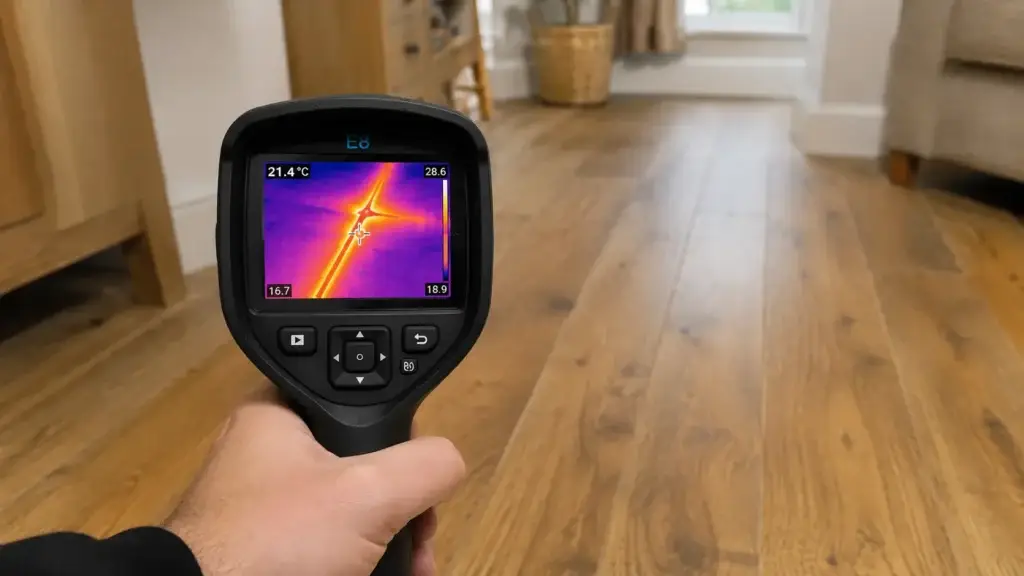
The specialist equipment used in a home plumbing survey identifies problems that standard surveys, general plumber call-outs, and visual inspections consistently miss. The most significant of these is hidden leaks in buried or concealed pipework that produce no visible surface evidence.
Moisture mapping across the whole property identifies elevated moisture levels in floors and walls that indicate developing problems before they have produced obvious symptoms. A systematic reading at multiple points around the property creates a baseline moisture picture. Any area significantly above the expected moisture range warrants further investigation.
Thermal imaging of floors where the heating circuit runs identifies hotspots or anomalies that indicate a heating pipe leak before the floor covering shows any sign of it. In properties with screeded underfloor heating or underfloor pipework from a radiator circuit, this can identify a problem that would otherwise go undetected for months.
Pressure testing of the sealed heating circuit, compared against expected readings for a system of that age and configuration, can identify gradual pressure loss that has not yet triggered the boiler lockout threshold. A system that is losing fractional pressure over a sustained period may not have displayed an obvious fault code, but a proper pressure test reveals the pattern.
What Happens During the Survey Visit?
A home plumbing survey typically begins with a discussion between the specialist and the homeowner or buyer about any known concerns, the history of the property, any previous plumbing issues, and the age and history of the systems. This provides context for interpreting the survey findings.
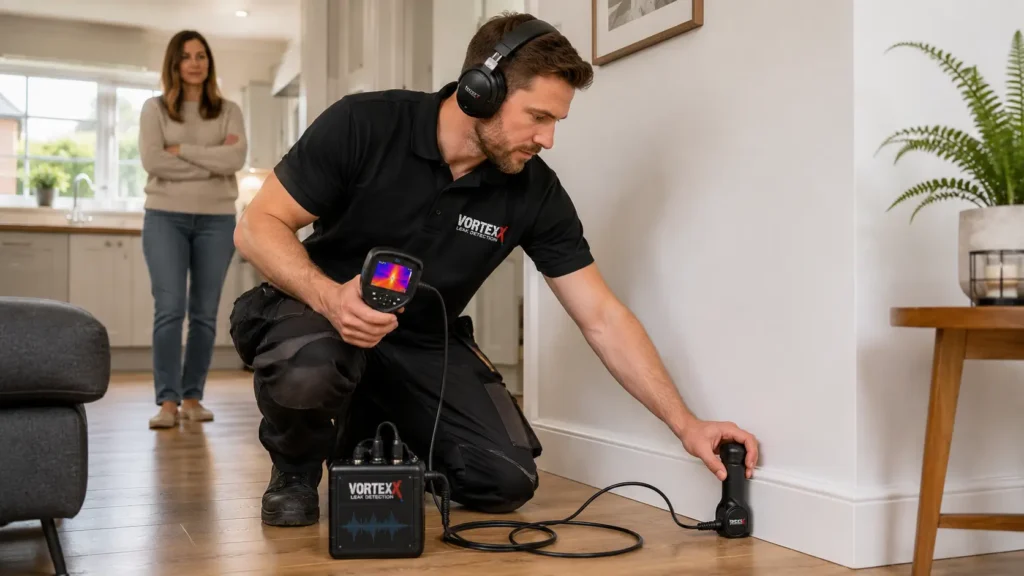
The specialist then works systematically through the property, taking moisture readings at regular intervals at floor level and on walls, conducting thermal imaging scans of floors and wall surfaces where pipework runs, testing the heating system pressure and checking the relevant components, inspecting all accessible plumbing connections, and using acoustic equipment in any areas that raise concerns during the visual and instrument phase.
A thorough survey of a standard domestic property typically takes between three and five hours. Larger properties or properties with more complex plumbing arrangements take longer. The specialist will explain any significant findings at the time of the visit before leaving.
Recommended to Read: Could a Water Leak Be Causing Your High Water Bill?
What Do You Receive After the Survey?
Following the survey, the specialist provides a written report documenting the condition of each system assessed, the findings from moisture mapping and thermal imaging, any identified problems with an assessment of their likely cause and severity, recommendations for further investigation where required, and recommendations for repair or maintenance where problems have been confirmed.
For property purchases, this report gives the buyer concrete evidence of the plumbing condition to inform their decision. It may also support renegotiation if significant problems are identified that were not apparent from the standard homebuyer’s survey.
For landlords or homeowners commissioning a survey for maintenance purposes, the report provides a prioritised list of actions and a baseline record of system condition that can be compared at future survey intervals.
When Should You Not Delay Getting a Plumbing Survey?
Arrange a home plumbing survey promptly if:
- You are purchasing a property more than twenty-five years old and the plumbing history is unknown
- You are purchasing a property where the standard survey has flagged concerns about damp, moisture, or the condition of services
- You have been experiencing recurring boiler pressure loss that has not been explained by a component fault
- The water bill has risen without explanation over one or more quarters
- There are unexplained damp patches anywhere in the property that have not been traced to a source
- The property has a history of plumbing problems or previous leak insurance claims
- You are managing a rental property and want a baseline plumbing condition record before letting or at tenancy change
- The property has underfloor heating or significant concealed pipework that has not been assessed for several years
Is a Home Plumbing Survey Worth The Cost?
The value of a home plumbing survey lies in what it prevents rather than what it finds. A survey that identifies a developing hidden leak before it has caused significant damage saves the cost of the eventual repair and the remediation of structural damage that would have accumulated in the meantime. A survey that confirms the plumbing is sound provides confidence that removes a major area of financial uncertainty from a property purchase.
In the context of a property purchase, the cost of a specialist plumbing survey is typically a small fraction of the purchase price, and a small fraction of the cost of a plumbing problem that is discovered after completion. For landlords and homeowners, the cost of periodic surveys is predictable and modest compared to the cost of emergency repairs and damage remediation from problems that were developing quietly.
What to Do Next
If you are buying a property, managing a rental portfolio, or have concerns about the plumbing condition of your home, a Vortex home plumbing survey provides a systematic, evidence-based assessment of every water-related system in the property. Get in touch at vortexleakdetection.co.uk/contact-us-vortex/ to discuss your property and arrange a survey, or visit the home plumbing survey page at vortexleakdetection.co.uk/home-plumbing-survey/ for further information about what the service covers.